

Carbon-Based Soap for Sensitive Skin: Safety Guide
Posted by Editorial Team on
Table of Contents
- What Is Carbon-Based Soap and How Does It Work?
- Is Carbon-Based Soap Safe for Sensitive Skin?
- Activated Charcoal Soap Side Effects and Irritation Risks
- How to Patch Test Soap Before Full Use
- Charcoal Soap Ingredients and Their Role
- How Often to Use Charcoal Soap on Sensitive Skin
- When to Consult a Dermatologist
- Frequently Asked Questions
Last Updated: October 21, 2026
What Is Carbon-Based Soap and How Does It Work?
Carbon-based soap is a cleansing product that uses activated charcoal or similar carbon compounds to remove buildup from skin, with formulations like carbon-based soap sensitive skin options designed for reactive complexions.
Get Your Life Back LLC uses a proprietary liquid bio-form carbon technology in their Nature's Gift products. This approach creates ultra-fine carbon particles, allowing for deep cleaning. The result is thorough cleansing.

Most carbon-based soaps also contain additional ingredients. These might include essential oils, botanical extracts, or minerals that hydrate and soothe skin after cleansing. The combination matters, carbon alone is only part of the formula.
How does it differ from regular soap? Standard soaps clean the skin's surface. Carbon-based formulas go deeper, targeting trapped debris that regular washing misses.
Is Carbon-Based Soap Safe for Sensitive Skin?
Whether carbon-based soap sensitive skin use is safe depends on your specific skin condition and the formula's other ingredients. Carbon itself isn't inherently irritating, but the overall soap composition matters greatly.
Sensitive skin reacts easily to physical exfoliation, fragrance, and harsh cleansing agents. If a carbon soap contains heavy exfoliants, strong essential oils, or alkaline bases, it can trigger redness, itching, or burning. However, well-formulated carbon soaps designed for reactive skin can be gentler than you'd expect.
The key safety factors are:
- pH balance, Skin prefers slightly acidic conditions (pH 4.5-5.5). Soaps that are too alkaline strip the skin barrier and cause irritation.
- Additional ingredients, Fragrance, essential oils, and preservatives can trigger reactions independently of the carbon.
- Particle size and concentration, Finely milled carbon at low concentrations is safer than coarse, heavily concentrated formulas.
- Your skin's baseline sensitivity, Someone with mild sensitivity may tolerate carbon soap fine. Someone with severe eczema or rosacea needs extra caution.
Potential Benefits for Oily and Acne-Prone Skin
For oily and acne-prone skin, carbon-based soap can be genuinely helpful. These skin types accumulate excess sebum and debris in pores, creating an environment where breakouts thrive.
Carbon's binding action removes oil buildup without over-drying. It also helps clear pores of dead skin cells that contribute to acne.
The benefits work best when combined with:
- A gentle moisturizer afterward (carbon cleansing can feel stripping)
- Consistent daily use
- Avoiding other harsh exfoliants simultaneously
- A non-comedogenic follow-up routine
Acne-prone skin also benefits from the deep-cleansing action. By removing impurities that block pores, carbon soap supports healthy skin function.
Risks for Dry and Reactive Skin
Dry and reactive skin requires a different approach. These skin types have a compromised moisture barrier, the protective layer that keeps water in and irritants out.
Carbon-based soap can worsen dryness because:
- The cleansing action removes natural oils needed for barrier function
- Physical exfoliation (if the formula includes it) damages already-fragile skin
- Activation of the skin's inflammatory response leads to more redness and irritation
For people with eczema, psoriasis, or rosacea, aggressive cleansing is counterproductive. These conditions involve heightened sensitivity and barrier dysfunction. Stripping more oil away makes the condition worse, not better.
That said, some people with these conditions find gentle carbon formulas helpful when used sparingly and paired with intensive moisturizing. The trick is finding a formula designed for sensitive skin and testing it carefully first.
Activated Charcoal Soap Side Effects and Irritation Risks
Activated charcoal soap side effects are real and worth understanding before use. While many people tolerate these soaps well, others experience noticeable reactions.
Common side effects include:
- Dryness and tightness (especially on cheeks and forehead)
- Redness or flushing after use
- Mild itching or stinging
- Flaking or peeling
- Sensitivity to sunlight (some ingredients increase photosensitivity)
- Allergic reactions to fragrance or essential oils
These reactions typically occur within the first few uses. If irritation persists beyond one week of daily use, the soap isn't right for your skin.
Common Physical Exfoliation Concerns
Many carbon soaps include physical exfoliants, small particles that scrub away dead skin. This creates a two-part action: chemical binding from the carbon plus mechanical scrubbing from the exfoliant particles.
The problem: physical exfoliation is harsh on sensitive skin. Repeated scrubbing damages the skin barrier, strips protective oils, and can cause micro-tears invisible to the eye.
For sensitive skin, gentler options exist:
- Use physical exfoliants only 1-2 times per week, not daily
- Choose soaps with finely milled particles, not coarse ones
- Avoid scrubbing hard, use light, circular motions
- Follow immediately with hydrating moisturizer
- Stop if redness or irritation develops
Some people confuse "exfoliation" with "cleansing." Carbon-based soaps provide deep cleansing through the carbon's binding action. Adding physical exfoliation on top is optional and unnecessary for most users.
Ingredient-Level Irritation Beyond Charcoal
The carbon itself is rarely the culprit. Other ingredients in the formula often cause problems:
Essential oils, Tea tree, peppermint, and lemon oils are common in carbon soaps but may trigger reactions in sensitive skin.
Fragrance, Both synthetic fragrance and natural fragrance oils irritate reactive skin. Even "unscented" soaps sometimes contain fragrance compounds masked by other scents.
Preservatives, Optiphen and similar preservatives prevent bacterial growth but can sensitize skin with repeated exposure.
Surfactants, The cleansing agents in soap determine how stripping it feels. Harsh surfactants leave skin tight and dry; gentle ones maintain the skin barrier.
Nature’s Gift – Bioform Carbon Cleanse (4 oz Spray) $24.95 now $12.95 →
Botanical extracts, While often marketed as soothing, some extracts (like certain plant oils) trigger histamine release in sensitive individuals, causing itching and swelling.
When evaluating a carbon soap, read the full ingredient list, not just the marketing claims. If you're sensitive to any ingredient, that soap isn't for you, no matter how good the carbon technology is.
How to Patch Test Soap Before Full Use
Before using any new soap on your face or body, run a patch test. This simple protocol prevents full-face reactions and identifies problems early.
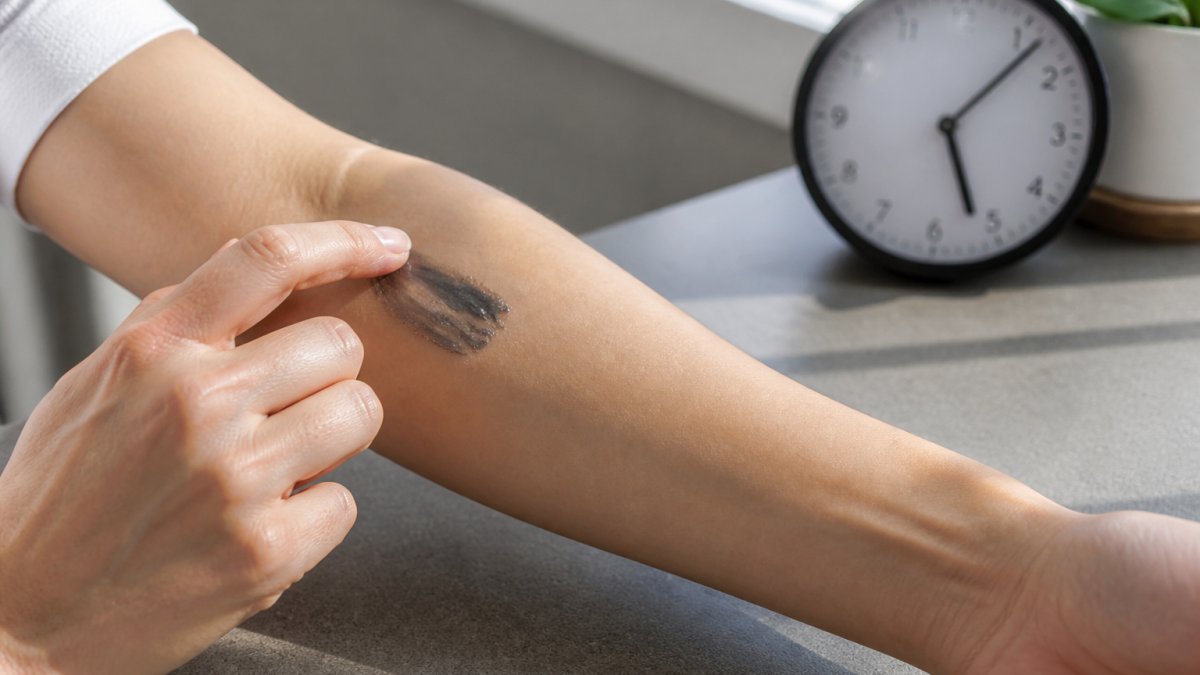
Patch testing steps:
- Choose a small, inconspicuous area, the inside of your forearm or behind your ear works well
- Wet the test area with lukewarm water
- Apply a small amount of soap and lather gently for 30 seconds
- Rinse thoroughly with clean water
- Pat dry (don't rub)
- Wait 24 hours without applying other products to that area
- Observe for redness, itching, swelling, or burning
If no reaction appears after 24 hours, the soap is likely safe for broader use. If you see any irritation, stop immediately and don't use the product on larger areas.
Important: Patch testing works best when you test one product at a time. If you introduce multiple new products simultaneously, you won't know which one caused a reaction.
For severe sensitivity or a history of allergic reactions, extend the patch test to 48-72 hours. Some delayed reactions don't show up in 24 hours.
Charcoal Soap Ingredients and Their Role
Understanding what's actually in your soap helps you predict how your skin will react.
| Ingredient | Purpose | Sensitivity Risk |
|---|---|---|
| Activated charcoal/bioform carbon | Binds and removes impurities | Low (if finely milled) |
| Coconut oil | Moisturizes and cleanses | Low to moderate (some find it pore-clogging) |
| Shea butter | Hydrates and softens | Low |
| Jojoba oil | Balances skin oils | Low |
| Tea tree oil | Antibacterial and antifungal | High (irritating to sensitive skin) |
| Peppermint oil | Cooling and refreshing | High (can sting and burn) |
| Lemon oil | Brightening and cleansing | High (phototoxic and irritating) |
| Vitamin E | Antioxidant and protective | Low |
| Essential oils (generic) | Fragrance and function | Moderate to high |
| Preservatives (Optiphen, etc.) | Prevent bacterial growth | Moderate (can cause contact dermatitis) |
Nature's Gift Bioform Carbon Skin Lotion includes coconut oil, shea butter, jojoba oil, vitamin E, peppermint, tea tree, and lemon oils. For sensitive skin, the essential oils present a consideration. The lotion is designed for post-cleansing hydration, so the oils work in a diluted formula rather than concentrated form.

When choosing a carbon soap, scan the ingredient list for items you know trigger your skin. If you're sensitive to essential oils, choose an unscented or lightly scented option. If coconut oil clogs your pores, look for formulas using jojoba or another non-comedogenic oil instead.
How Often to Use Charcoal Soap on Sensitive Skin
How often to use charcoal soap depends on your skin type and the formula's strength.
For oily, acne-prone skin, daily use is usually fine, even beneficial. The deep cleansing prevents pore congestion without over-drying if the formula is balanced.
For sensitive, dry, or reactive skin, less frequent use is safer:
- Start with 2-3 times per week for the first two weeks
- Observe your skin's response, if no irritation appears, you can increase to daily use
- Use only once daily (morning or evening, not both)
- Follow immediately with moisturizer to replenish hydration
- Skip days if you notice dryness or irritation, listen to your skin
Some people find that using carbon soap daily works fine, while others need to limit it to twice weekly. The difference comes down to individual sensitivity, barrier strength, and the soap's specific formula.
If you're using Nature's Gift products, the Bioform Carbon Cleanse Spray can be used more frequently than a bar soap, it's gentler and designed for daily application. The Exfoliant Cleanse should be limited to 2-3 times weekly because it contains physical exfoliants.
When to Consult a Dermatologist
Some situations require professional guidance before using carbon-based soap.
See a dermatologist if you have:
- Active eczema, psoriasis, or dermatitis flares
- Severe rosacea or rosacea-prone skin
- Open wounds, cuts, or broken skin
- A history of allergic reactions to skincare products
- Unexplained persistent itching or burning
- Skin conditions diagnosed by a doctor (including fungal infections)
- Compromised skin barrier that won't heal
- Skin concerns linked to Lyme disease, Morgellons, or parasitic conditions
These situations require professional assessment. A dermatologist can recommend whether carbon soap is appropriate for your specific condition or suggest alternatives.
Additionally, if you've tried carbon soap and experienced a severe reaction, swelling, hives, difficulty breathing, or widespread redness, seek medical attention immediately. These are signs of an allergic reaction.
For people managing chronic skin conditions, get professional clearance before introducing any new skincare product, even gentle ones.
Get Your Life Back LLC's products are designed to support healthy skin function, but they're not a substitute for medical diagnosis or treatment. When in doubt, consult your dermatologist first.
Carbon-based soap can be a powerful tool for deep cleansing, but safety on sensitive skin requires careful selection and testing.
Frequently Asked Questions
Is carbon-based soap safe for sensitive skin?
Carbon-based soap can be safe for sensitive skin if chosen carefully and tested first. The activated charcoal itself is generally mild, but the physical exfoliation action and additional ingredients like essential oils may trigger irritation. Always patch test before using on facial skin or large body areas. If you have eczema, rosacea, or severe sensitivity, consult a dermatologist before use. Nature's Gift products are formulated to be non-comedogenic and hypoallergenic, making them a gentler option than standard charcoal soaps.
What are the main activated charcoal soap side effects?
Common side effects include dryness, redness, itching, and increased sensitivity, especially with frequent use. Some people experience irritation from fragrance, essential oils, or other ingredients rather than the charcoal itself. Those with dry skin or existing irritation are at higher risk. Stop use immediately if you notice persistent redness, burning, or rash development.
How often should you use charcoal soap on sensitive skin?
Start with once or twice per week for sensitive skin, then adjust based on tolerance. Most people benefit from limiting charcoal soap use to 2-3 times weekly to avoid over-drying and disrupting the skin barrier. If your skin feels tight, dry, or irritated after use, reduce frequency further or alternate with a gentle cleanser. Those with eczema or severe sensitivity may only tolerate it once weekly or less. Always follow product instructions and listen to your skin's response.
What ingredients in charcoal soap can irritate sensitive skin?
Beyond charcoal, common irritants include fragrance, essential oils (tea tree, peppermint, lemon), and certain preservatives. Some formulas include physical exfoliants like coral calcium that amplify irritation risk. Check ingredient lists carefully and avoid products with multiple essential oils if you have reactive skin. Nature's Gift offers an unscented bar soap option and formulas designed for compromised skin, reducing the risk of fragrance-triggered reactions while maintaining deep-cleaning benefits.
Share this post
- Tags: activated charcoal soap side effects, carbon-based soap sensitive skin, charcoal soap ingredients, how often to use charcoal soap, how to patch test soap, is carbon based soap safe for sensitive skin