

7 Ways to Soothe Itchy Skin From Parasites
Posted by Editorial Team on
Table of Contents
- 7 Ways to Soothe Itchy Skin From Parasites
- What Parasites Burrow Under the Skin
- 1. Colloidal Oatmeal Baths for Itch Relief
- 2. Aloe Vera and Cooling Gels for Irritated Skin
- 3. Cold Compresses to Calm the Itch
- 4. Baking Soda and Apple Cider Vinegar Remedies
- 5. Essential Oils and Herbal Options for Soothing Itchy Skin
- 6. How to Soothe Scabies Itching at Night
- 7. Treating the Underlying Infestation and Preventing Reinfestation
- Frequently Asked Questions
Last Updated: October 16, 2026
7 Ways to Soothe Itchy Skin From Parasites
If you are searching for ways to soothe itchy skin from parasites, you already know the crawling, burning, and pinprick sensations are often worse than the visible rash.
The key distinction matters: soothing measures ease discomfort, but they do not kill parasites. The CDC guidance on parasitic skin conditions makes clear that diagnosis and targeted treatment are required to clear an infestation. Below, we cover what burrows under your skin, seven remedies for itch relief, and how to prevent reinfestation.
What Parasites Burrow Under the Skin
Parasites that burrow under the skin tunnel into the top layers of the epidermis to feed, lay eggs, or complete part of their life cycle, causing intense itching and a visible rash.
Scabies is the most widespread of these. According to the World Health Organization fact sheet on scabies, scabies affects roughly 200 million people at any given time worldwide.
Here is what most guides miss. The sensation of things crawling under your skin does not always mean a live parasite is present.
| Suspected Cause | Key Sign | First Step |
|---|---|---|
| Scabies mite | Night-worsening itch, burrow lines between fingers | See a doctor for diagnosis |
| Sand flea | Firm nodule on feet or toes | Professional removal |
| Hookworm larvae | Winding red track on skin | Medical evaluation |
| Sensation without infestation | Crawling feeling, no burrows | Dermatology referral |
1. Colloidal Oatmeal Baths for Itch Relief
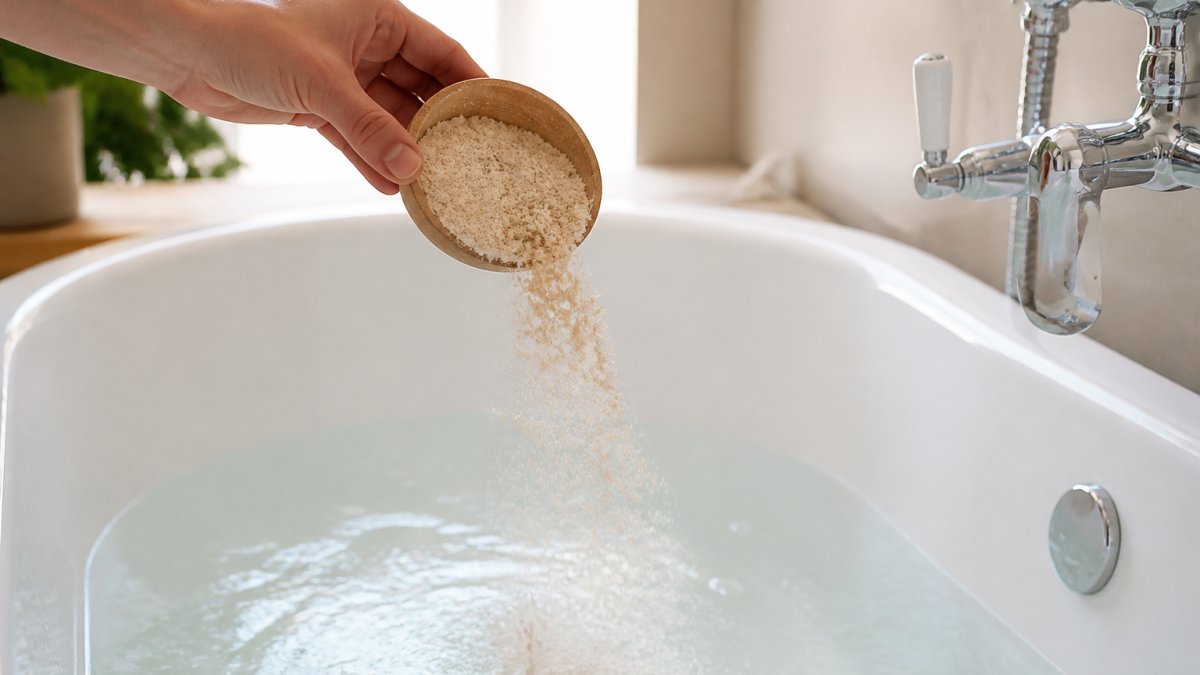
Colloidal oatmeal is finely ground oat that suspends in water and forms a protective barrier on irritated skin.
Draw a lukewarm bath, not hot, since heat worsens itching. The American Academy of Dermatology lists colloidal oatmeal among its recommended dermatologist-recommended eczema and itch treatments for calming inflamed, itchy skin.
2. Aloe Vera and Cooling Gels for Irritated Skin
Aloe vera gel delivers fast, temporary cooling to irritated skin. Its high water content and natural compounds reduce the heat and sting that accompany a parasite-related rash.
Apply pure aloe vera gel straight from the leaf or a fragrance-free bottled version, stored in the fridge for extra cooling. Reapply as needed, especially after bathing. For persistent irritation, a fragrance-free cooling lotion extends the soothing effect between applications.

3. Cold Compresses to Calm the Itch
A cold compress is the fastest way to interrupt the itch-scratch cycle: cold numbs nerve endings and constricts blood vessels, reducing both the sensation and the swelling.
Wrap an ice pack or a bag of frozen vegetables in a thin cloth, never place ice directly on skin. Hold it against the itchy area for 10 to 15 minutes, then let the skin rest. Repeat several times a day, and reach for this first when the urge to scratch becomes overwhelming.
4. Baking Soda and Apple Cider Vinegar Remedies
Baking soda and apple cider vinegar are two of the most repeated natural remedies for itchy skin, and both can provide short-term comfort when used correctly.
Baking soda is mildly alkaline, so it can temporarily neutralize acidic irritants on the skin surface and reduce the sting of a rash. Two common methods:
- Bath soak: Add about half a cup of baking soda to a lukewarm bath and soak for 10 to 15 minutes. Rinse and pat dry.
- Paste: Mix three parts baking soda with one part water until it forms a thick paste. Apply to the itchy area for about 10 minutes, then rinse gently.
Baking soda is low-risk on intact skin but drying. If you use it daily, follow with a fragrance-free moisturizer, because dry skin itches more, not less.
Apple cider vinegar is acidic, which is why it sometimes calms itchy skin: it can help restore the skin's natural acid mantle, disrupted by scratching and inflammation. Use it diluted:
- Mix one part apple cider vinegar with three parts cool water.
- Apply with a cotton ball or add one cup of diluted vinegar to a lukewarm bath.
- Rinse or pat dry afterward, and moisturize.
Never apply undiluted vinegar to skin. On broken skin it stings sharply, and repeated undiluted use can cause chemical irritation that mimics a worsening rash.
Here is the parasite-specific point generic remedy pages skip: baking soda and vinegar soothe the sensation of itching but do not kill scabies mites, lice, fleas, or any other parasite. If you have a confirmed or suspected infestation, use these alongside treatment, not instead of it. Relying on them alone is one of the most common reasons people stay itchy for months.
Insect/Bug Bite Cleanse 2 oz →
5. Essential Oils and Herbal Options for Soothing Itchy Skin
Several plant-based options can soothe itchy skin when diluted properly, calming irritation and providing a cooling sensation, though none replace medical treatment for the infestation itself.
- Lavender oil: Add 10 to 15 drops to a bath or dilute 2 to 3 drops in a carrier oil. Calming and gentle enough for most skin types.
- Tea tree oil: Known for its antimicrobial properties. Always dilute before applying, since concentrated tea tree oil irritates skin.
- Peppermint: The menthol creates a cooling effect that distracts from itching. Use sparingly, and never on the face.
- Witch hazel: A gentle astringent that reduces inflammation. Apply with a cotton pad.
- Basil: A traditional remedy. Steep fresh leaves in hot water, cool, and apply as a compress.
6. How to Soothe Scabies Itching at Night
Scabies itching at night is the hardest symptom to manage and the one that ruins sleep for weeks.
To soothe scabies itching at night, take a cool shower before bed, apply a soothing lotion while skin is still damp, and keep your bedroom cool.
How long does scabies itching last after treatment? Even after successful treatment, itching can continue for two to four weeks as the body clears the dead mites and their debris.
7. Treating the Underlying Infestation and Preventing Reinfestation
Soothing remedies ease the itch but do not end it.
Getting the right diagnosis first. Itching alone does not confirm a parasite. Scabies, lice, fleas, bedbugs, contact dermatitis, eczema, and even stress-related crawling sensations can produce similar discomfort.
Parasite-specific treatment, in general terms. Different parasites require different approaches:
- Scabies is typically treated with a prescription topical cream or, in some cases, an oral medication. Treatment is applied to the whole body, not just the itchy spots, because mites can be present on skin that does not yet itch.
- Head and body lice are treated with medicated shampoos, lotions, or oral medications, plus combing and environmental cleaning.
- Fleas and bedbugs are not treated on the person so much as removed from the environment. Bites are managed symptomatically while the home is treated.
- Sand fleas (tungiasis) and botfly larvae usually require professional removal rather than a topical product.
A common pattern: people treat only the visible rash, feel better for a few days, then itch returns because the infestation was never cleared.
Preventing reinfestation and household spread. Parasites that live on or near the body can spread through close contact, bedding, clothing, and shared items. The specific steps depend on the parasite, but the general principles are:
- Wash and dry hot. Bedding, clothing, and towels used by the affected person should be washed in hot water and dried on the highest heat setting the fabric allows.
- Bag what you cannot wash. Items that cannot be laundered, such as stuffed toys or pillows, can be sealed in a plastic bag for several days. The exact time depends on the parasite; scabies mites, for example, do not survive long away from human skin.
- Treat close contacts at the same time. For scabies and lice, everyone in the household and any intimate contacts should be treated on the same day, even if they have no symptoms. Symptoms can take weeks to appear, and untreated contacts reinfest the whole household.
- Clean shared surfaces. Vacuum carpets, furniture, and mattresses, and empty the vacuum canister afterward. For fleas and bedbugs, professional pest control is often necessary.
- Avoid sharing personal items such as combs, hats, towels, and bedding until the infestation is cleared.
When to seek urgent care. Most parasite-related itching is uncomfortable but not dangerous.
Where gentle skin care fits in. Once treatment is underway, a mild daily cleanse can help remove debris, dead skin, and residue without stripping the skin barrier. Get Your Life Back LLC developed our Nature's Gift® line around a proprietary liquid bio-form carbon with a particle size of 6 angstroms, small enough to work into pores and lift away debris. Our Nature's Gift Sulfur Soap and Tea Tree Oil Soap offer a gentle daily cleanse, while our Insect Bug Bite Cleanse is designed to spray on and massage into a bite or sting site. Our Skin Lotion adds coconut oil and shea butter to hydrate irritated skin.


Frequently Asked Questions
Can you stop scabies itching without treating the infestation?
No. Soothing measures like oatmeal baths or cold compresses can calm the skin for a while, but they do not kill the mites or their eggs. Without proper treatment, the infestation continues and the itching returns. Home remedies work best alongside a doctor-recommended treatment plan, not as a replacement for one.
How long can itching last after scabies treatment?
Itching often continues for two to four weeks after successful treatment, even when the mites are gone. This is because your skin is still reacting to dead mites and their waste. If itching lasts longer than four weeks or gets worse, see a doctor to confirm the infestation has cleared.
What parasites burrow under the skin and cause itching?
Scabies mites are the most common burrowing parasite. They dig shallow tunnels in the top layer of skin and lay eggs, which triggers intense itching that is often worse at night. Other parasites, such as certain lice and fly larvae in rare cases, can also affect the skin. A doctor can confirm which one is causing your symptoms.
When should I see a doctor for itchy skin caused by parasites?
See a doctor if the itching is severe, spreads quickly, or does not improve with home care. Also seek care if you notice signs of infection like pus, warmth, or fever. Because home remedies only soothe symptoms and cannot remove parasites, a proper diagnosis is the fastest route to lasting relief.
How can I soothe itchy skin naturally at night?
Take a lukewarm oatmeal bath before bed, apply a cooling lotion, and keep your bedroom cool. Trim your nails and wear cotton gloves to avoid scratching in your sleep. Wash sheets and pajamas in hot water daily until the infestation clears, since parasites can survive in bedding and cause reinfestation.
Persistent itching from parasites wears you down, and no single remedy solves it alone. Soothing measures buy you comfort while treatment clears the cause, and the right daily skin care keeps your skin calm through the process. At Get Your Life Back LLC, our plant-based, non-comedogenic formulas are built to deep clean and hydrate skin without triggering further irritation. Get started with Get Your Life Back LLC and give your skin the support it needs to recover.
Share this post
- Tags: 7 ways to soothe itchy skin from parasites, how to soothe scabies itching at night, scabies itch relief, scabies treatment and itch duration, soothe itchy skin, what parasites burrow under the skin