

Soothe Irritated Skin at Home Naturally
Posted by Editorial Team on
Table of Contents
- Understanding Irritated Skin: Causes and Symptoms
- Immediate Steps to Soothe Irritated Skin
- Home Remedies for Itchy Skin That Work
- At-Home Treatment for Skin Rash: A Step-by-Step Routine
- Dry Skin Relief: Moisturizing and Prevention
- Natural Ingredients: Safety, Evidence, and What to Avoid
- When to Seek Medical Care
- Frequently Asked Questions
Last Updated: October 11, 2026
Understanding Irritated Skin: Causes and Symptoms
Irritated skin happens when your skin barrier breaks down or gets exposed to something it can't handle. The result is redness, itching, burning, or inflammation that disrupts your daily life. Understanding what triggered the problem is often the first step for people who've struggled with chronic skin issues.
Common triggers and underlying causes
Your skin irritation usually comes from one of a few sources. Environmental factors like harsh weather, dry air, or pollution strip away your skin's natural oils.
Other culprits include:
- Excessive heat or cold exposure
- Frequent bathing in hot water
- Tight, rough fabrics rubbing against skin
- Stress and hormonal fluctuations
The key insight most people miss is that irritation often compounds over time. One irritant weakens your skin barrier. Then a second trigger hits harder than it normally would.
Recognizing redness, itching, and inflammation
Irritated skin sends clear signals. You'll notice redness that appears suddenly or spreads across an area. Itching ranges from mild and occasional to intense and constant.
The skin rash might be localized to one area or spread across larger patches. Dry skin often accompanies irritation because the damaged barrier can't retain moisture.
Immediate Steps to Soothe Irritated Skin
When your skin is actively irritated, your goal is to stop the inflammatory response fast. The right immediate actions prevent the problem from escalating and give your skin a chance to heal.
Cool compresses and temperature control
Cold reduces inflammation immediately. A cool compress works because it constricts blood vessels and numbs nerve endings that send itch signals to your brain. This gives you relief within minutes.
How to use cool compresses properly:
- Use clean, soft fabric (cotton or microfiber works best)
- Apply cool water, not ice (ice can damage skin further)
- Hold the compress on irritated areas for 10-15 minutes
- Repeat every few hours as needed
Temperature control extends beyond compresses. Take lukewarm showers instead of hot ones, hot water strips your skin's protective oils. Avoid saunas, steam rooms, and intense exercise that raises body temperature and triggers more inflammation.
Stopping the itch-scratch cycle
The itch-scratch cycle is your enemy. Scratching provides temporary relief but damages your skin barrier, which triggers more itching. Breaking this cycle is essential for healing.
Practical strategies that work:
- Keep fingernails short and smooth
- Wear soft, breathable clothing that doesn't irritate skin
- Apply a soothing lotion immediately when you feel the urge to scratch
- Use distraction techniques when itching starts
Home Remedies for Itchy Skin That Work
Certain natural ingredients have real soothing power. These aren't just folklore, they work because they reduce inflammation, hydrate skin, and support your skin barrier.
Oatmeal baths and colloidal oatmeal soaks
Colloidal oatmeal is ground oatmeal fine enough to mix into water and coat your skin. It contains compounds that calm inflammation and reduce itching. This remedy works for widespread irritation across your body.
To make an oatmeal bath:
- Grind plain oatmeal into a fine powder (or buy colloidal oatmeal)
- Mix one cup into lukewarm bathwater
- Soak for 15-20 minutes
- Pat skin dry gently (don't rub)
- Apply moisturizer while skin is still slightly damp
For localized irritation, make a paste: mix colloidal oatmeal with a small amount of water until it reaches a spreadable consistency.
Aloe vera and botanical soothing agents
Aloe vera penetrates skin quickly and delivers hydration while reducing inflammation. Use pure aloe gel from a plant or a product with minimal added ingredients. Apply directly to irritated skin and let it absorb.
Other botanicals that soothe irritated skin include:
- Rose water: Gentle hydration and mild anti-inflammatory effects
- Chamomile: Calms inflammation and supports skin barrier function
- Tea tree oil: Must be diluted (never apply directly) but helps with certain types of irritation
- Peppermint: Cooling sensation combined with anti-inflammatory properties
The key is using these ingredients in products formulated for skin contact. Pure essential oils can burn or irritate further.
Natural oils and emollient protection
Oils seal moisture into your skin and protect your barrier from further irritation. The best oils for irritated skin are those that absorb quickly without leaving a greasy residue.
Effective options include:
- Coconut oil (though some people react to it, test first)
- Jojoba oil (closest to skin's natural sebum)
- Sunflower seed oil (lightweight and nourishing)
- Shea butter (rich but still absorbs reasonably well)
Apply oils to damp skin to lock in hydration. A small amount goes a long way, use 2-3 drops and warm it between your palms before pressing gently into skin.
At-Home Treatment for Skin Rash: A Step-by-Step Routine
A consistent routine prevents irritation from returning and supports your skin barrier's recovery. The order matters because each step prepares your skin for the next one.
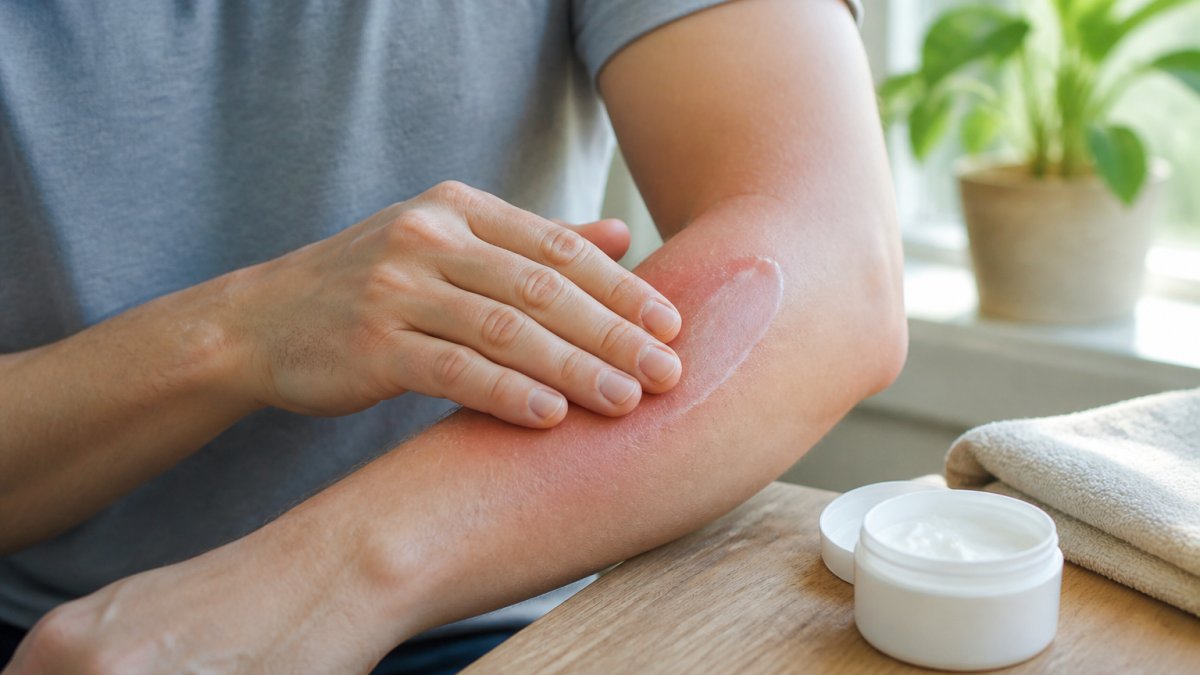
Cleansing without irritation
Start with the gentlest possible cleanse. Hot water and harsh soaps damage your already-compromised barrier. Use lukewarm water and a fragrance-free, hypoallergenic cleanser.
Your cleansing routine:
Nature's Gift Skin Lotion ( 8 oz & 1.5 oz ) →
- Wet skin with lukewarm water
- Use a minimal amount of gentle cleanser (about the size of a pea)
- Massage gently for 30 seconds maximum
- Rinse thoroughly with cool water
- Pat dry with a soft towel (don't rub)
Avoid cleansers with sulfates, fragrance, alcohol, or dyes. These strip your skin and trigger more irritation. If you're dealing with a skin rash, sometimes water alone is enough, save the cleanser for areas that truly need it.
Applying soothing treatments in the right order
Timing and layering matter. Apply treatments to damp (not soaking wet) skin so they absorb better and lock in hydration.
The correct order is:
- Soothing agent first (aloe, botanical extract, or cooling lotion)
- Wait 1-2 minutes for absorption
- Apply moisturizer to seal everything in
- Optional: add a protective oil if skin is very dry
This sequence prevents treatments from sitting on top of each other without absorbing. For many people dealing with irritated skin, using a specialized product like Nature's Gift Skin Lotion combines coconut oil, Nature's Gift Concentrate, vitamin E, peppermint, tea tree oil, and lemon oil to provide deep moisturizing and hydration.

Maintaining hydration and protecting the skin barrier
Your skin barrier is a lipid layer that holds moisture in and keeps irritants out. When it's damaged, nothing else works until you restore it.
Barrier-support strategies:
- Drink adequate water (at least 8 glasses daily)
- Apply moisturizer within 3 minutes of bathing
- Use a humidifier in dry environments
- Avoid products with alcohol or strong actives (retinoids, vitamin C) until skin heals
Your skin barrier typically takes 2-4 weeks to fully repair once you stop the irritating behavior. Patience matters here, don't expect instant results, but consistent care produces visible improvement.
Dry Skin Relief: Moisturizing and Prevention
Dry skin and irritated skin often go hand-in-hand. Dryness weakens your barrier, which increases sensitivity. Breaking this cycle requires both immediate hydration and prevention.
Choosing fragrance-free and hypoallergenic products
Fragrance is one of the most common irritants, even in products labeled "natural." Hypoallergenic formulas are tested to minimize allergic reactions.
What to look for:
- Fragrance-free (not "unscented", unscented products often contain masking fragrance)
- No dyes or artificial colors
- No sulfates or harsh detergents
- Minimal ingredient list (fewer ingredients mean fewer potential irritants)
- Certified hypoallergenic when possible
Read ingredient labels carefully. If you can't pronounce an ingredient or don't recognize it, research it before applying to irritated skin. Your skin barrier is already compromised, this is not the time to experiment.
Bathing practices that protect skin health
How you bathe affects how irritated your skin becomes. Small changes to your routine prevent significant problems.
Skin-protective bathing habits:
- Use lukewarm water (not hot)
- Keep showers under 10 minutes
- Bathe or shower only once daily
- Pat skin dry gently instead of rubbing
- Moisturize immediately after (within 3 minutes)
If you have active irritation, consider skipping full baths and using targeted cleansing instead. Wash only the areas that need it, and rinse the rest with plain water. This approach minimizes exposure to even gentle cleansers while your barrier repairs itself.
Natural Ingredients: Safety, Evidence, and What to Avoid
Not all natural ingredients are safe for irritated skin. Some botanicals that sound soothing actually trigger reactions in sensitive people. Understanding which ingredients work and which backfire prevents costly mistakes.
Proven botanicals and their skin benefits
| Ingredient | Main Benefit | Best For | Caution |
|---|---|---|---|
| Aloe Vera | Hydration + cooling | Inflamed, hot skin | Test first; some react to it |
| Oatmeal | Anti-inflammatory | Widespread irritation | Ensure it's colloidal (finely ground) |
| Chamomile | Calming, barrier support | Sensitive skin | Rare allergies; test first |
| Rose Water | Gentle hydration | All irritated skin types | Verify it's pure, not fragrance-based |
| Coconut Oil | Deep moisturizing | Dry, flaky irritation | Comedogenic for some; test first |
These ingredients have research backing their use for irritated skin. They work because they reduce inflammation, support your barrier, or provide hydration, the three pillars of skin recovery.
Remedies to avoid and why they backfire
Some common "natural" remedies actually worsen irritation. Avoid these:
- Lemon juice: Extremely acidic and drying; damages your barrier further
- Vinegar: Disrupts your skin's pH balance; causes more irritation
- Essential oils applied directly: Too concentrated; can burn sensitive skin
- Alcohol-based products: Strip your skin of protective oils
- Honey: Can harbor bacteria; risks infection on broken skin
The pattern here is clear: anything that's drying, acidic, or too concentrated makes irritation worse. Stick with gentle, hydrating, anti-inflammatory options.
When to Seek Medical Care
Home remedies work for mild to moderate irritation. Certain situations require professional evaluation.
Seek medical care if:
- Irritation doesn't improve after 2 weeks of consistent home treatment
- Rash spreads rapidly or covers large areas of your body
- You develop signs of infection (pus, warmth, increased swelling, fever)
- Itching is so severe it prevents sleep or daily function
- You suspect an allergic reaction (swelling of face, lips, or throat)
A dermatologist can identify the specific cause of your irritation and recommend targeted treatment. For many people with persistent skin issues, professional guidance combined with at-home care produces the best results.
Irritated skin responds best to consistent, gentle care that addresses both immediate symptoms and underlying barrier damage.
Frequently Asked Questions
What can calm down skin irritation quickly?
Cool compresses, lukewarm water rinses, and soothing lotions with aloe vera or oatmeal provide immediate relief. Apply a cool compress for 10-15 minutes to reduce redness and itching. Follow with a fragrance-free, hypoallergenic moisturizer to protect the skin barrier. Products containing Nature's Gift Concentrate can cleanse debris from pores while hydrating, addressing both irritation and underlying skin health.
Are home remedies for itchy skin safe for sensitive skin?
Most natural remedies like colloidal oatmeal, aloe vera, and coconut oil are gentle for sensitive skin when used in their pure forms. Always patch-test new products on a small area first. Avoid fragrances, essential oils applied directly to skin, and harsh soaps. Choose fragrance-free, hypoallergenic products specifically formulated for sensitive skin. If you have a history of allergic reactions, consult your doctor before using any new treatment.
How long does it take for at-home treatment for skin rash to show results?
Most at-home treatments reduce visible redness and itching within 24-48 hours. Cool compresses and soothing lotions provide immediate comfort. Deeper healing and prevention of recurrence typically take 1-2 weeks of consistent care with a daily routine that includes gentle cleansing, application of soothing treatments, and proper moisturizing. Persistent rashes lasting more than two weeks warrant medical evaluation.
What should I avoid when treating irritated skin at home?
Avoid hot water, harsh soaps, fragrant products, and scratching. Do not use bleach baths unless directed by a doctor. Skip remedies with alcohol, strong essential oils applied directly to skin, or unknown ingredients. Avoid over-moisturizing, which can trap bacteria. Do not delay seeking medical care if rash spreads, shows signs of infection, or worsens despite home treatment. Stick to proven, simple ingredients rather than multiple products mixed together.
Share this post
- Tags: at-home treatment for skin rash, dry skin relief, home remedies for itchy skin, how to soothe irritated skin at home naturally, soothe irritated skin