

Is Bio-Form Carbon Safe for Face? A Clear Safety Guide
Publicado por Editorial Team en
Last Updated: November 19, 2026
Quick Summary
Bio-form carbon is a plant-derived liquid carbon with a particle size of 6 angstroms, and it is not the same as activated charcoal powder. Topical bio-form carbon products are at-home cleansers, sprays, and lotions, not carbon laser facials, which are professional clinic procedures. Most people can use a mild charcoal cleanser daily, but patch test first and stop if redness or burning starts.
- Bio-form carbon is a liquid plant-derived carbon, not dry activated charcoal powder.
- Carbon laser facials are professional procedures, while topical bio-form carbon products are used at home.
- Read the full INCI list, since gentle front-label claims can still hide fragrance or essential oils.
- Start with once-daily use and drop to every other day if tightness, flaking, or stinging appears.
- Patch test on the inner forearm for 24 hours, repeat, then try a small area of the jawline.
Table of Contents
- What Bio-Form Carbon Is and Why It Is Not Activated Charcoal
- Topical Bio-Form Carbon Products vs Carbon Laser Facials
- Charcoal Cleanser for Sensitive Skin: What to Check on the Ingredient List
- Can You Use Charcoal Cleanser Every Day?
- Charcoal Face Mask Side Effects and How to Spot Irritation
- How to Patch Test a Facial Cleanser Before Full Use
- Choosing a Bio-Form Carbon Product for Your Skin Type
- Frequently Asked Questions
What Bio-Form Carbon Is and Why It Is Not Activated Charcoal
Is bio-form carbon safe for face use? Bio-form carbon is a plant-derived liquid carbon made from renewable botanical sources, and it works differently from the black charcoal powder sold in drugstores. At Get Your Life Back LLC, our Nature's Gift products use this liquid form.
The confusion is understandable. Most people hear "carbon" and picture activated charcoal: a dry, porous powder baked from wood or coconut shells.
Liquid Carbon vs Charcoal Powder
- Charcoal powder: dry, gritty, absorbs oil, can leave a film behind
- Liquid bio-form carbon: plant-based, with a particle size of 6 angstroms, or 0.6 nanometers
For a deeper look at how this works, see our guide to liquid bio-form carbon for skin health.
Topical Bio-Form Carbon Products vs Carbon Laser Facials
These are two completely different things, and mixing them up is the biggest mistake we see. Topical bio-form carbon products are cleansers, sprays, and lotions you apply at home. A carbon laser facial, sometimes called a carbon peel, is a professional procedure.
Here is how a carbon facial works: a technician spreads a layer of liquid carbon over your face, lets it settle into pores, then passes a laser over the skin. The laser heats the carbon particles, which helps loosen oil and debris.
The two share a word, but they are different products used in different ways.
| Feature | Topical Bio-Form Carbon | Carbon Laser Facial |
|---|---|---|
| Where it happens | At home | Clinic or salon |
| Who performs it | You | Trained professional |
| What it does | Cleanses and lifts debris | Loosens debris with laser heat |
| Downtime | None | Usually none, mild redness possible |
| Skill needed | Basic routine | Professional procedure |
Charcoal Cleanser for Sensitive Skin: What to Check on the Ingredient List
A charcoal cleanser for sensitive skin can work well, but the carbon is rarely the problem. The other ingredients usually are. Read the full ingredient list before you buy, not just the front label, and read it the way a formulator would, not the way the marketing copy wants you to.
How to Read an INCI List Without a Chemistry Degree
- If fragrance, menthol, or a strong surfactant appears in the first five ingredients, it is present at a meaningful concentration and is more likely to trigger reactive skin.
- If it appears near the end, the amount is probably small, but small amounts still matter for people with a diagnosed fragrance allergy or very reactive skin.
- Ingredients after the 1% mark are not ranked, so a "botanical-rich" formula can list dozens of plant extracts that are present only in trace amounts. That is not automatically bad, but it is not the selling point the label implies.
A common pattern is a short list of recognizable ingredients near the top and a long tail of extracts and preservatives below. The short list is what your skin mostly contacts.
The Usual Suspects, Beyond the Big Three
Fragrance, menthol and peppermint oil, and sodium lauryl sulfate are the three most cited irritants, and they deserve the attention. But they are not the only ones worth scanning for:
- Essential oils (lavender, citrus, tea tree, eucalyptus): natural, pleasant-smelling, and a well-recognized cause of contact dermatitis in some people. "Essential oil-free" is a more useful claim than "chemical-free."
- Surfactants other than SLS: cocamidopropyl betaine and some sulfate-free foaming agents can also irritate reactive skin, though usually less than SLS.
- Preservatives: methylisothiazolinone and other isothiazolinones are common allergens in leave-on and rinse-off products; many formulators now avoid them, but they still appear in some cleansers.
None of these are automatically dangerous. But if your skin is reactive, they raise the odds of a bad reaction. A plain formula with a short ingredient list is easier to tolerate.
Front-Label Claims vs. the Ingredient List
Watch out: a product labeled "gentle," "natural," "clean," or "dermatologist-tested" can still contain fragrance or essential oils.
The practical move is simple: ignore the front of the bottle, turn it around, and read the back. If the ingredient list is not available online or on the package, that is itself useful information.
Matching the Formula to Your Skin Type
Sensitive skin is not one thing. A person with rosacea, a person with eczema, and a person with reactive but otherwise healthy skin have different tolerances. A few rules of thumb:
- Dry or barrier-compromised skin: favor lotion or cream cleansers with a short ingredient list and no fragrance.
- Oily or acne-prone skin: a light gel or spray with a mild surfactant is usually better tolerated than a foaming wash with SLS.
- Known fragrance allergy: treat any product with "fragrance" or "parfum" on the list as a no, regardless of how the front label describes it.
If you have a diagnosed skin condition, bring the ingredient list to your dermatologist rather than guessing. A patch test (covered below) catches many reactions, but it does not replace a clinician's read of a formula you are unsure about. A clinician can help assess a formula, while learning how to patch test a new oil can make a cautious first use more deliberate.
Can You Use Charcoal Cleanser Every Day?
Yes, most people can use a charcoal cleanser every day, provided the formula is mild and your skin tolerates it.
Start with once a day, ideally in the evening to remove the day's buildup. Give your skin a week or two to adjust.
The one rule we would give anyone: never scrub hard with any cleanser. Friction damages the skin barrier faster than any ingredient.
Charcoal Face Mask Side Effects and How to Spot Irritation
Charcoal face mask side effects are usually mild, but they are real. The most common are redness, dryness, tightness, and a light burning sensation. These tend to show up within minutes to a few hours after use.
How do you tell normal from a problem? Mild warmth that fades within a few minutes is common. Any of the following means stop using it:
- Redness that spreads or deepens
- Burning that does not settle
- Itching, swelling, or raised bumps
An allergic reaction is different from irritation. For anyone with eczema-prone or very sensitive skin, our article on bio-form carbon soap for eczema covers what to watch for in more detail.
How to Patch Test a Facial Cleanser Before Full Use
A patch test is the simplest safety step you can take, and almost nobody does it. It takes two days and costs nothing. But the standard forearm test is a starting point, not a guarantee, facial skin is thinner, more vascular, and often more reactive than the inner arm, and a rinse-off cleanser behaves differently from a leave-on mask. Here is the process we recommend, with the caveats that matter.
The Standard Two-Day Patch Test
- Wash and dry a small patch of skin on your inner forearm.
- Apply a pea-sized amount of the cleanser to that patch.
- Leave it for 24 hours without washing the area.
- Check for redness, itching, or swelling. If none appear, repeat the application.
- Wait another 24 hours and check again.
- If both checks are clear, try a small area of your jawline before your full face.
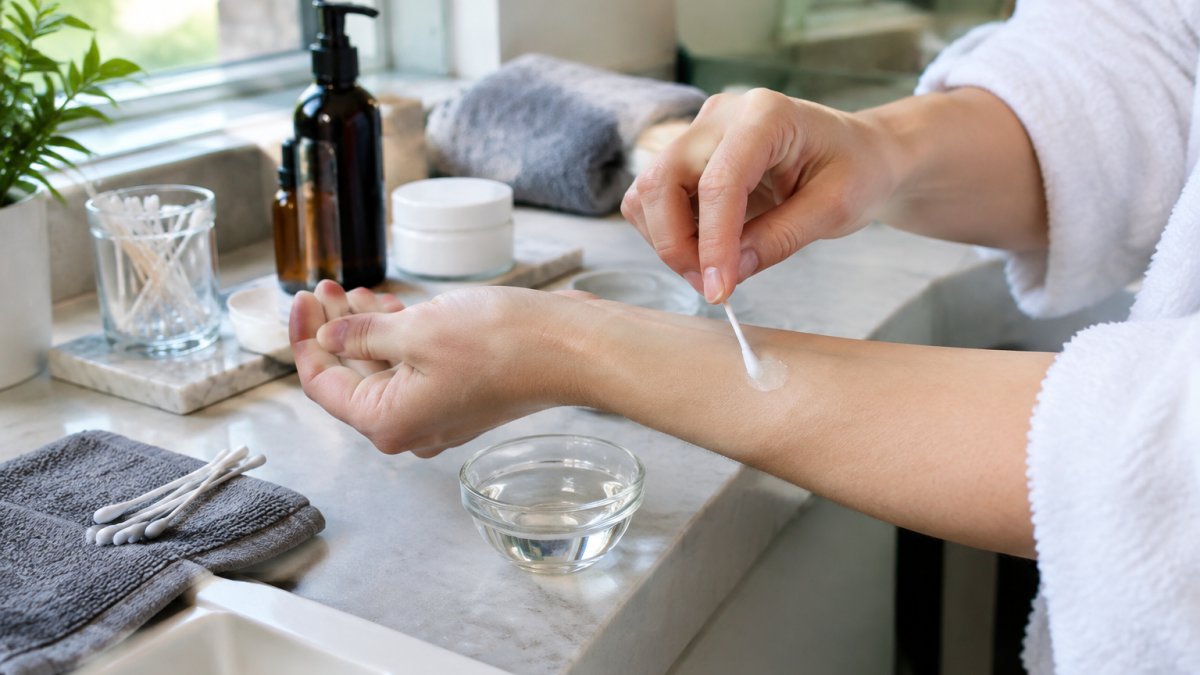
The forearm is not a perfect stand-in for the face, which is why step six matters. But it catches most reactions before they hit your whole face.
Why the Forearm Is Not the Face
Three differences explain why a clear forearm test can still be followed by a facial reaction:
- Skin thickness: facial skin, especially around the eyes and on the cheeks, is thinner than forearm skin and absorbs more of what you put on it.
- Sebum and occlusion: the face produces more oil, and products can sit against the skin under makeup or a mask, increasing exposure time.
- Vascularity: facial skin has a richer blood supply, so redness and flushing show up faster and more visibly.
That is why the jawline step exists. The jaw is facial skin, but a reaction there is easier to hide and easier to treat than a reaction across both cheeks.
Rinse-Off vs. Leave-On: Different Tests
A cleanser is rinsed off within a minute or two, so the exposure is short. A charcoal mask or a leave-on lotion stays on the skin for hours. The test should match the product:
- Rinse-off cleansers: apply, leave for the full 24 hours without rinsing (this is a deliberately exaggerated exposure), then check. If clear, repeat.
- Leave-on masks and lotions: apply a thin layer and leave it for 24 hours, then check. Do not test a leave-on product with a rinse-off protocol, you will underestimate the reaction.
- Products with actives (acids, retinol, enzymes): patch test on a small area and expect some tingling. Tingling that fades is different from burning that builds. If it builds, rinse off and stop.
When a Patch Test Is Not Enough
Watch out: a patch test can miss delayed reactions. Some contact allergies, including to fragrance components and certain preservatives, develop over repeated exposure and may not show up on a single 48-hour test.
The same caution applies during pregnancy and while using prescription topicals. Most practitioners find that a mild, fragrance-free cleanser is low-risk, but if you are pregnant, breastfeeding, or using a prescription retinoid or acid, confirm with your clinician before adding a new product, including a "natural" one.
What to Do If Redness or Burning Starts
If redness or burning starts, stop using the product and consult a healthcare professional if it does not settle.
For everyday soothing steps, our guide on how to soothe irritated skin at home naturally walks through what helps and what to avoid.
Choosing a Bio-Form Carbon Product for Your Skin Type
If you want a simple starting point, the Bioform Carbon Cleanse spray is a light mist for daily cleansing. For drier or more sensitive skin, the Bioform Carbon Skin Lotion is a coconut-oil-based cleanser that hydrates while it cleans.
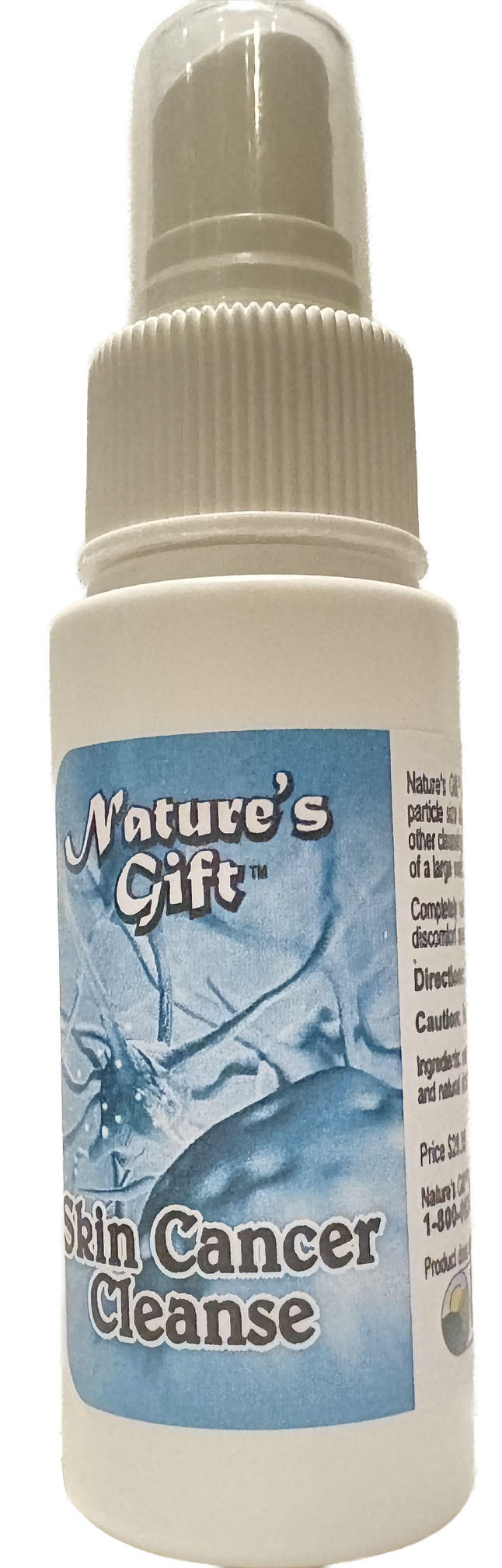
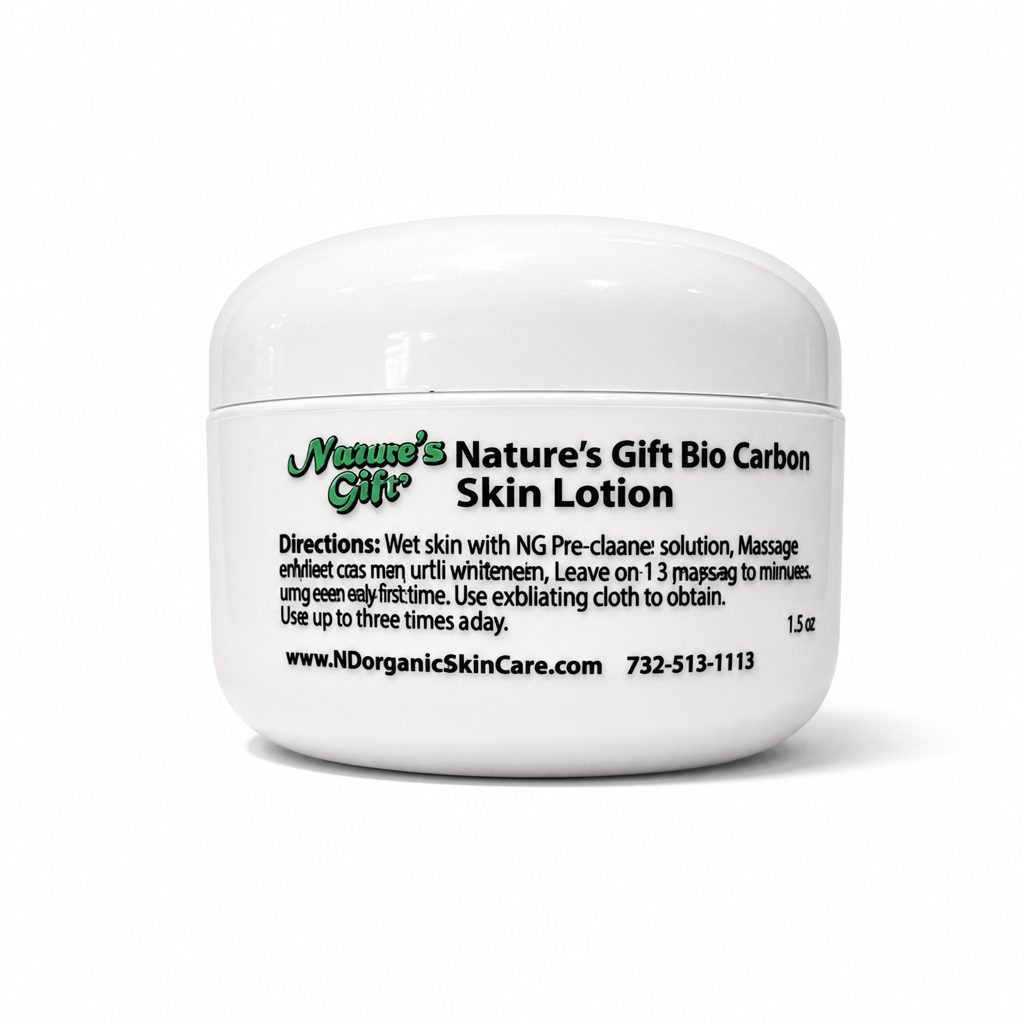
If you have persistent rashes, see a dermatologist.
Skin reactions are frustrating, and guessing which product caused them makes it worse. Get Your Life Back LLC built the Nature's Gift line around liquid bio-form carbon so you can deep clean without harsh grit or fillers.
Frequently Asked Questions
Is bio-form carbon the same as activated charcoal?
No. Activated charcoal is a dry, porous powder made by burning carbon-rich material at high heat. Bio-form carbon is a plant-derived liquid carbon with a particle size of 6 angstroms (0.6 nanometers). This distinction matters when you read ingredient lists or compare cleansers.
Can carbon-based soap irritate sensitive facial skin?
Any cleanser can irritate sensitive skin, including carbon-based ones. The risk depends more on the full formula than on carbon itself. Watch for fragrance, menthol, sodium lauryl sulfate, and essential oils such as peppermint, tea tree, or lemon, which some people find triggering. If your skin reacts easily, patch test first and start with a product that has a short, plant-based ingredient list. Stop use if redness, burning, or dryness appears and persists.
How should you patch test a new facial cleanser?
Apply a small amount of the cleanser to your inner forearm or behind your ear, then leave it on for the time you would normally cleanse. Rinse and wait 24 to 48 hours. If no redness, itching, or swelling appears, repeat the test on a small area of your jawline before using it on your whole face. Keep the product away from your eyes during the test. If you have a known skin condition, ask your dermatologist before starting a new cleanser.
What should you do if a facial cleanser causes redness or burning?
Stop using the product immediately and rinse your face with cool water. Avoid scrubbing or applying other active ingredients while your skin settles. If burning, swelling, or a rash does not improve within a few days, or if it spreads, contact a healthcare professional. Keep the product packaging so you can share the ingredient list with your doctor if needed.

Compartir esta publicación
- Etiquetas: bio-form carbon, can you use charcoal cleanser every day, charcoal cleanser for sensitive skin, charcoal face mask side effects, is bio-form carbon safe for face, patch testing facial cleanser