

How to Maintain Skin Hydration After Deep Cleaning
Publicado por Editorial Team en
Quick Summary
To maintain skin hydration after a deep cleaning, cleanse gently with lukewarm water and a mild cleanser, then moisturize while skin is still damp. Repeat this routine morning and night for the first 72 hours, and avoid scrubs, hot water and alcohol-based toners.
- Use lukewarm water and a fragrance-free, gentle cleanser for the first 24 hours.
- Apply moisturizer while skin is still slightly damp to lock in water.
- Moisturize twice daily, morning and night, from 24 to 48 hours.
- Skip scrubs, alcohol-based toners and retinoids for at least the first 24 hours.
- See a doctor or dermatologist if stinging, redness or rash lasts longer than a day.
Table of Contents
- Why Skin Dries Out After a Deep Cleaning
- Step 1: Cleanse Gently in the First 24 Hours
- Step 2: How to Moisturize After Cleansing
- Hydrating Ingredients for Skin and What They Do
- Step 3: A Timed Hydration Plan for 24 to 72 Hours
- Dry Skin After Cleansing: Normal Versus a Damaged Barrier
- What to Avoid and When to Book Your Next Step
- Frequently Asked Questions
Why Skin Dries Out After a Deep Cleaning
Deep cleaning removes more than dirt. It can also strip away the natural oils and lipids that keep your skin's barrier healthy, so restoring skin hydration becomes the priority.
Here's the thing most guides skip: the problem isn't the cleanse itself. It's what happens next. If you leave skin bare and exposed, water loss increases quickly. A simple routine that restores moisture in the right order makes a big difference.
Step 1: Cleanse Gently in the First 24 Hours
Your first job is to keep the skin clean without stripping it again. Use lukewarm water and a mild, non-abrasive cleanser.
Avoid hot water, exfoliating scrubs, and harsh foaming products for at least the first 24 hours. Your skin is still settling, and sensitive skin reacts fast to friction.
Here's a simple guide for this stage:
- Use lukewarm water only
- Choose a fragrance-free, gentle cleanser
- Pat dry with a soft cloth
- Skip scrubs, toners with alcohol, and retinoids for now
Step 2: How to Moisturize After Cleansing
Apply moisturizer while your skin is still slightly damp. This locks in water that is already on the surface and helps your skin hold onto it longer, which supports lasting skin hydration.
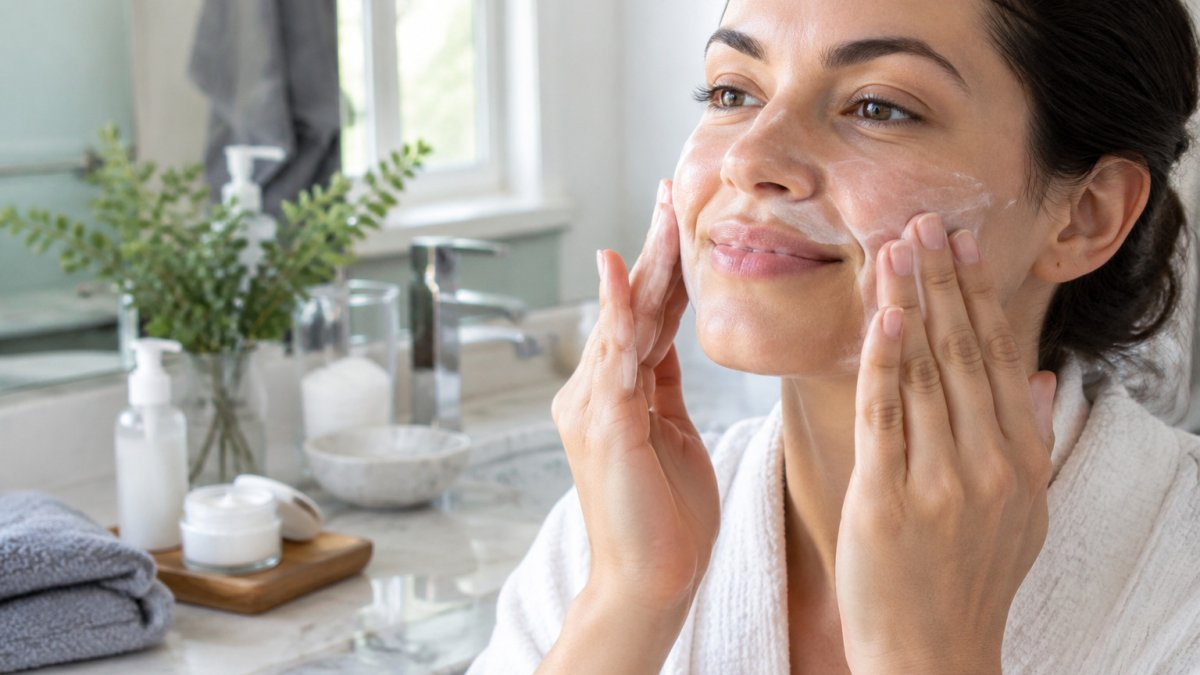
Use a light layer, then massage it in until it absorbs. A little goes a long way. Reapply as needed through the day if the skin starts to feel tight again.
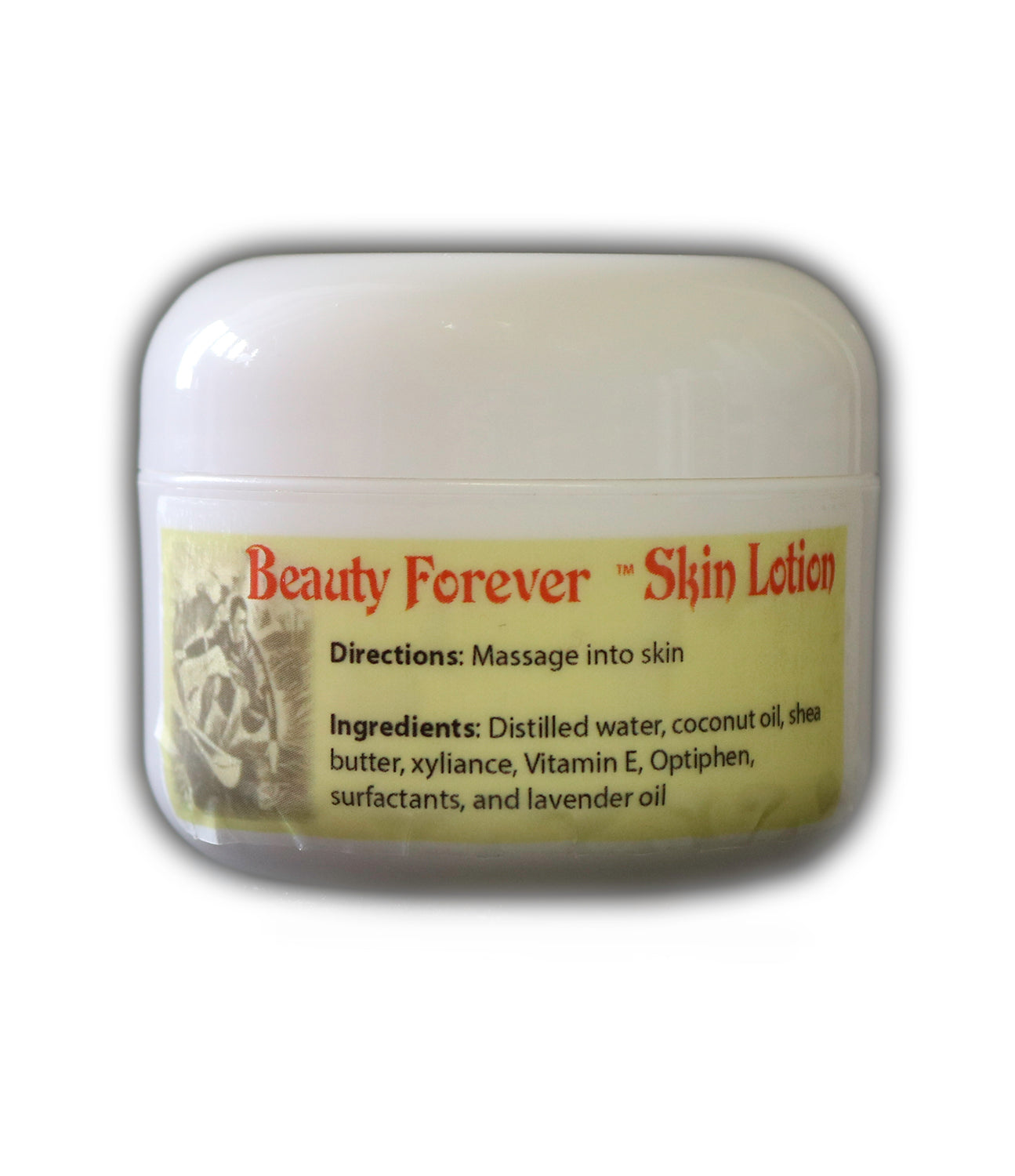
Our Beauty Forever ™ Skin Lotion can serve as one option at this step. It is a coconut oil-based lotion with Nature's Gift® Concentrate. Massage a small amount into damp skin until it absorbs.
Choosing a Moisturizer by Skin Type
The right moisturizer depends on how your skin feels, not on the label alone. A few general guides:
- Dry or flaky skin: Look for richer creams and balms that seal in moisture.
- Normal skin: A light lotion usually works well day to day.
- Oily or combination skin: A lightweight, non-greasy formula keeps shine down while still hydrating.
- Sensitive skin: Choose fragrance-free options and patch-test first.
Nature's Gift Skin Lotion comes in 8 oz and 1.5 oz sizes.
Hydrating Ingredients for Skin and What They Do
Most hydration advice stops at "use a moisturizer." The more useful skill is reading an ingredient list and knowing which ingredients pull water in, which soften the surface, and which seal it off. That distinction matters more after a deep cleaning, when the barrier is temporarily weaker and water loss is higher than usual.
The three functional groups work in sequence:
- Humectants attract and hold water. Common examples include glycerin, hyaluronic acid, sodium PCA, and urea. They are most effective when applied to damp skin and covered with an emollient or occlusive, because in very dry air they can pull moisture from deeper skin layers if left uncovered.
- Emollients fill the gaps between skin cells and make the surface feel smooth and flexible. Examples include squalane, jojoba oil, sunflower oil, and caprylic/capric triglyceride. They improve texture but do not by themselves stop water loss.
- Occlusives form a physical seal that slows evaporation. Petrolatum, dimethicone, beeswax, and lanolin are common examples. They are the most effective category for preventing water loss, but they can feel heavy and are not necessary for every skin type.
A well-formulated moisturizer usually combines all three. A humectant-heavy serum alone is not a substitute for a moisturizer, and an occlusive balm alone does not add water to the skin. The layering order, humectant first, then emollient, then occlusive if needed, is what makes the combination work.
Some ingredients do more than one job.
Watch out: more ingredients is not better during recovery. A short list of well-understood humectants, emollients, and occlusives is easier to tolerate than a long list that includes fragrance, essential oils, or exfoliating acids.
A practical way to use this: after cleansing, apply a humectant-rich product to damp skin, follow with a lotion or cream that contains an emollient, and add a thin occlusive layer only on areas that still feel tight. This approach lets you adjust to your skin's response instead of committing to one heavy product for the whole face.
Step 3: A Timed Hydration Plan for 24 to 72 Hours
Hydration works best as a routine, not a one-time fix. Use this plan as a starting point:
- First 24 hours: Cleanse gently once a day. Moisturize after every cleanse.
- 24 to 48 hours: Keep moisturizing twice daily, morning and night.
- 48 to 72 hours: Continue your routine. If dryness fades, you can gradually return to your usual cleanser.
Drink water through the day as well (the NHS). Topical care works best when your body is also well hydrated.
Here is the timed routine at a glance, so you can follow each stage without rereading the plan.
| Stage | What to do | Frequency |
|---|---|---|
| First 24 hours | Cleanse gently; moisturize after every cleanse | Once a day, cleanse |
| 24 to 48 hours | Keep moisturizing morning and night | Twice daily |
| 48 to 72 hours | Continue routine; return to usual cleanser as dryness fades | Gradually |
Dry Skin After Cleansing: Normal Versus a Damaged Barrier
Some dryness after deep cleaning is normal and fades within a few days. A damaged barrier looks and feels different.
Signs that suggest a damaged barrier include:
- Stinging or burning that lasts longer than a day
- Redness, swelling, or small cracks
- Itching that keeps getting worse
- Rash or bumps that spread
If you notice these signs, stop using all new products and speak with a doctor or dermatologist. Do not use any product on broken or infected skin without professional advice.
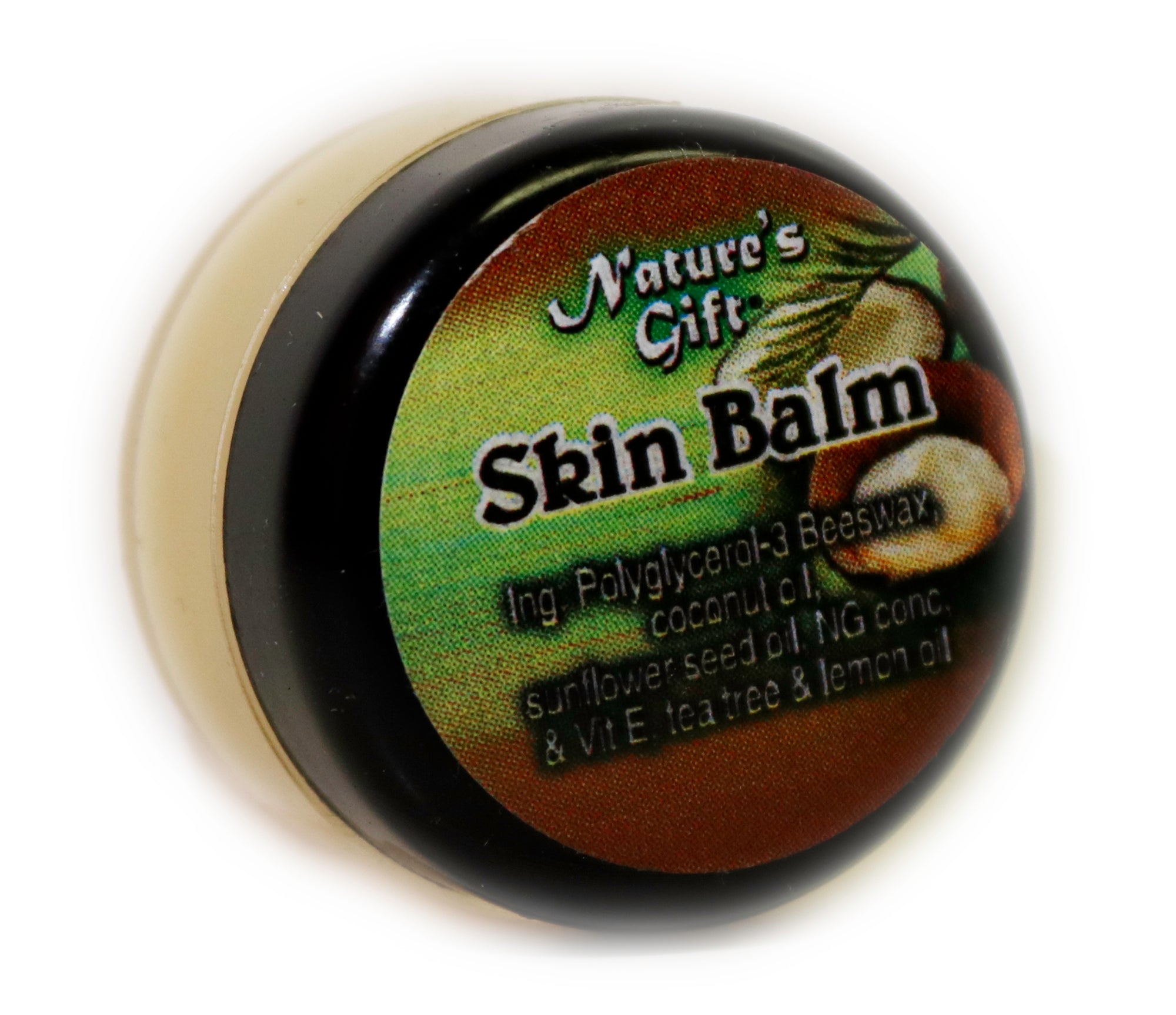
Nature's Gift Skin Balm contains peppermint, tea tree, and lemon oil. Apply it as needed, and do not use it as a lip balm, since it contains tea tree oil, which can be hazardous if ingested.
What to Avoid and When to Book Your Next Step
Avoid these habits during recovery:
- Hot showers and long soaks
- Scrubs and exfoliating acids
- Alcohol-based toners
- Heavy fragrance
- Touching or picking at dry patches
Book a professional follow-up if dryness, redness, or irritation does not improve within a few days, or if it gets worse. A professional can check your skin and suggest next steps. Keeping your skin hydrated after a deep cleaning is about gentle, consistent care, and knowing when to ask for help.
Frequently Asked Questions
How long does it take for skin to recover after a deep-cleansing facial?
Most skin settles within 24 to 72 hours after a deep-cleansing facial, though some redness or tightness can last longer if the skin was already sensitive. During this window, keep cleansing gentle, use lukewarm water, and apply a moisturizer twice a day. Avoid exfoliants, retinoids and hot water until the skin feels comfortable again. If tenderness, burning or swelling gets worse instead of better, stop all active products and contact the professional or a dermatologist.
Is it normal for skin to feel dry after cleansing?
Some tightness right after cleansing is normal, especially when a deep-cleansing product removes oil along with debris. The feeling should ease within minutes once a moisturizer is applied to damp skin. If skin stays tight, stings, or flakes for more than a day, the skin barrier may be compromised and needs a gentler routine with fewer ingredients. Using a hydrating serum or lotion made for sensitive skin usually helps restore comfort within a few days.
What is the best way to hydrate skin after a facial?
Apply a moisturizer while the skin is still slightly damp, which helps trap water in the outer layer. Use a light serum with humectants such as hyaluronic acid or glycerin, then seal it with a cream or lotion containing emollients like shea butter or squalane. Drinking enough water supports hydration from within, but topical products do most of the work on the skin surface. Repeat moisturizing several times a day if the skin feels dry.
What should you avoid after a deep-cleansing facial?
Avoid fragrance-heavy products, alcohol-based toners, scrubs, strong acids, retinoids and direct sun exposure for at least a few days. Skip hot showers and steam, which can strip moisture and increase redness. Do not pick at flaking or sensitive areas. Use broad-spectrum sunscreen during the day, and keep your pillowcase clean to reduce irritation while the skin recovers.

Compartir esta publicación
- Etiquetas: dry skin after cleansing, how to maintain skin hydration after deep cleaning, how to moisturize after cleansing, hydrating ingredients for skin, post-facial skin care routine, skin hydration