

Natural Remedies for Chronic Skin Irritation
Publicado por Editorial Team en
Last Updated: November 21, 2026
Quick Summary
Natural remedies for chronic skin irritation focus on rebuilding the skin barrier and breaking the itch-scratch cycle. Apply a coconut oil-based moisturizer within three minutes of bathing, use lukewarm colloidal oatmeal baths and cloth-wrapped cold compresses for 10 to 15 minutes, and avoid vinegar or essential oils on broken skin. Chronic skin irritation that has not improved after a few weeks of consistent barrier care deserves a proper diagnosis.
- Chronic skin irritation lasts longer than six weeks and often returns after treatment stops.
- Soak in a lukewarm colloidal oatmeal bath for 10 to 15 minutes, no longer.
- Apply a cloth-wrapped cold pack for 10 to 15 minutes, several times a day.
- Patch test coconut oil on the inner forearm for 48 hours before wider use.
- See a doctor if itching disrupts sleep for weeks despite home care.
Table of Contents
- Natural Remedies for Chronic Skin Irritation: What Actually Helps
- Natural Remedies for Skin Rashes and Itching
- What Stops Itching Fast
- A Remedy for Itchy Skin at Night
- A Remedy for Itchy Skin Allergy
- Moisturizing and Protecting the Skin Barrier
- Red Flags: When Chronic Skin Irritation Needs a Doctor
- Building a Daily Routine with Nature's Gift
- Frequently Asked Questions
Natural Remedies for Chronic Skin Irritation: What Actually Helps
Chronic skin irritation is persistent inflammation, itching, or redness lasting longer than six weeks and often returning after treatment stops. Many people with chronic irritation have cycled through steroid creams, antihistamines, and drugstore lotions without lasting relief. This guide covers the natural remedies for chronic skin irritation with genuine support behind them, the ones that are mostly folklore, and the warning signs that mean you need a doctor.
Natural Remedies for Skin Rashes and Itching
Before applying anything, identify what you are dealing with. Chronic irritation is a symptom, not a diagnosis, and the same red patch can come from several different processes.
A short guide to telling causes apart
Use pattern, location, and timing as first filters. These observations don't replace a diagnosis, but they point you toward the right remedy category and tell you when to stop self-treating.
- Contact dermatitis. Irritant contact dermatitis appears where the substance touched the skin, hands after cleaning products, earlobes after nickel earrings, under a watch band. Allergic contact dermatitis often shows up a day or two after exposure and can spread beyond the contact point. The defining feature is a clear relationship to a product, material, or plant, and improvement when it is removed.
- Eczema (atopic dermatitis). Dry, scaly, intensely itchy, favoring elbow and knee creases in children and hands, neck, and flexures in adults. It flares and settles in cycles and is linked to a compromised skin barrier and a personal or family history of allergy, asthma, or hay fever.
- Hives (urticaria). Raised, pale-centered welts with a red flare that move around, a lesion fades within about a day while new ones appear elsewhere. Hives fixed in one place for days deserve assessment. They can follow infection, food or drug, heat, pressure, or stress, and often no trigger is found.
- Fungal infection. Ringworm and other fungal rashes have a sharper, scaly edge and clearer center, and worsen in warm, moist skin folds. They don't improve with moisturizers and can spread with shared towels or occlusive oils.
- Bacterial infection. Increasing warmth, tenderness, pus, honey-colored crusting, or a spreading red edge suggests bacteria. This is not a home-remedy situation.
- Medication reaction. A new medicine started in the one to two weeks before a rash appeared is a suspect; drug reactions can be widespread and delayed. Don't stop a prescribed medicine on your own, but raise it promptly with the prescriber or a pharmacist.
A practical rule: if irritation is confined to a contact area and improves when you remove the suspect, barrier care and soothing remedies are reasonable.
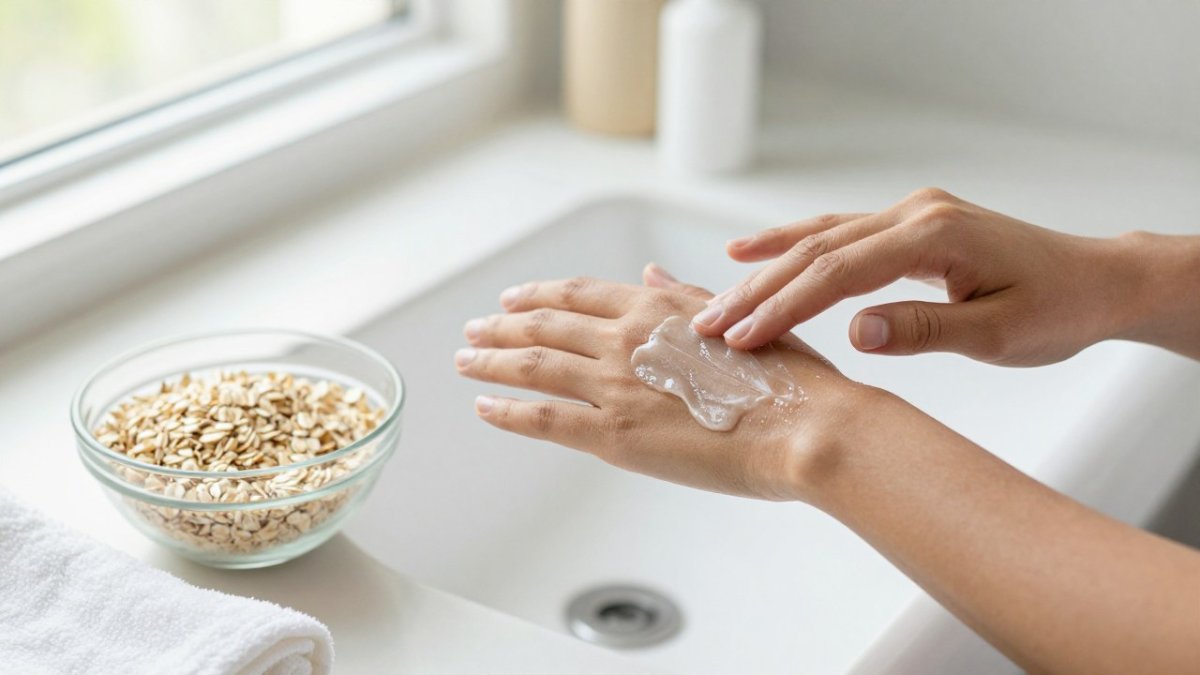
Colloidal oatmeal and oatmeal baths
Colloidal oatmeal is finely ground oat that suspends in water and forms a protective film on the skin.
To use it:
- Add finely ground colloidal oatmeal to lukewarm running bathwater until the water looks milky.
- Soak for 10 to 15 minutes, no longer.
- Pat dry without rubbing, leaving a thin film on the skin.
- Moisturize within three minutes while the skin is still damp.
Watch out: hot water feels relieving but strips the skin barrier further, making the next flare worse. Use lukewarm water only, and avoid oatmeal products with added fragrance or dyes if your skin is reactive.
Aloe vera and coconut oil
Aloe vera gel is commonly used as a light, cooling moisturizer, best from a product with few added ingredients. Coconut oil is an occlusive moisturizer that slows water loss.
The caveat: coconut oil suits dry, thickened skin but can clog pores and aggravate acne-prone or highly reactive skin, and its occlusive film can worsen a rash already trapping moisture, such as in skin folds.
How the remedies compare on evidence and risk
Not every remedy deserves equal confidence. A rough ranking helps you spend your effort where it is most likely to pay off.
Watch out: if a remedy stings, burns, or makes the itch worse within minutes, that is your skin telling you the barrier is too damaged for it. Rinse it off with cool water and return to plain moisturizer and cool compresses.
What Stops Itching Fast
The fastest safe relief comes from cooling and interrupting the itch-scratch cycle, not from applying more products. Cooling the skin can make an itch feel less intense for a while.
Scratching is the real enemy. Every scratch damages the barrier and triggers more inflammation, which produces more itch. Breaking that loop is the highest-value thing you can do during a flare.
Cooling the skin with cold compresses or cool baths
Wrap a cold pack in a cloth and apply for 10 to 15 minutes at a time, several times a day. A cool bath works the same way across a larger area.
For stubborn patches, wet wrap therapy helps: apply moisturizer, cover with a damp layer of soft cotton, then a dry layer, and leave it for a few hours.
Baking soda and apple cider vinegar
Apple cider vinegar can sting and worsen irritation on broken, cracked, or weeping skin. If your skin is raw, skip it. The same caution applies to essential oils and strong herbal tinctures: they are frequent causes of contact dermatitis and a poor choice during an active flare.
A quick decision guide for fast relief
Match the fix to the state of your skin rather than to the symptom alone.
- Intact skin, mild itch: cool compress, colloidal oatmeal bath, then moisturizer while damp.
- Dry, flaky, thickened skin: cooling plus a thick emollient; plant oils are reasonable here.
- Broken, cracked, or weeping skin: cool water and plain moisturizer only. Skip vinegar, essential oils, and anything that stings.
- Widespread itch with hives: cooling and an oral antihistamine are the conventional route; natural measures support comfort but do not replace treatment for a significant allergic reaction.
- Itch with spreading redness, warmth, pus, or fever: this is not a fast-remedy problem. Seek medical care.
Watch out: relief that only comes from scratching is a sign the itch cycle is winning. If you cannot get through a night without scratching, bring in a clinician rather than adding another remedy.
A Remedy for Itchy Skin at Night
Nighttime itching is often worse when body temperature rises in bed and bedding traps heat. Environmental changes can help as much as topical care.
- Shower in lukewarm water before bed and moisturize immediately.
- Wear loose cotton sleepwear and use breathable bedding.
- Keep the bedroom cool.
- Apply a thick moisturizer or a cooling lotion as the last step of your routine.
- Trim nails short and consider cotton gloves if you scratch in your sleep.
If night itching is severe and unrelenting, mention it to a doctor, because it can accompany conditions that need proper assessment.
A Remedy for Itchy Skin Allergy
For allergy-driven itching, the most effective natural step is removing the trigger, not adding a remedy.
Once the trigger is gone, a cool compress can make the itch more comfortable while it settles.
Watch out: an allergic reaction that spreads quickly, involves swelling of the face or throat, or comes with breathing difficulty is a medical emergency. Call for help rather than reaching for a home remedy.
Moisturizing and Protecting the Skin Barrier
The skin barrier is the outer layer of skin that holds water in and keeps irritants out. When it is compromised, moisture escapes and triggers get in, which is why chronic irritation so often traces back to a damaged barrier rather than a mysterious new allergy.
Moisturizing is the least glamorous and most important step in any natural routine. Apply a coconut oil-based lotion or cream within three minutes of bathing, while skin is damp, and reapply through the day on dry areas.
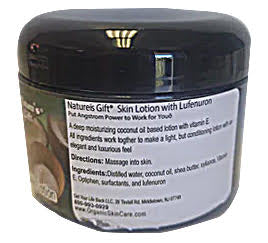
Our Nature's Gift Skin Lotion is a coconut oil-based lotion with shea butter, jojoba oil, and vitamin E.
Red Flags: When Chronic Skin Irritation Needs a Doctor
Some symptoms should send you to a clinician rather than a remedy cabinet. Seek medical assessment if you notice:
- Rapidly spreading redness, warmth, or swelling
- Pus, weeping, or a foul odor from the skin
- Fever alongside a rash
- Skin that is thickening, darkening, or changing texture persistently
- Itching that disrupts sleep for weeks despite home care
- Any reaction involving swelling of the face, lips, or throat
Chronic irritation that has not improved after a few weeks of consistent barrier care deserves a proper diagnosis. If you are weighing whether medication is the right next step, our guide on whether chronic skin conditions can be resolved with medications walks through what treatment can and cannot do.
Building a Daily Routine with Nature's Gift
A routine beats a remedy list every time. Consistency is what lets a compromised barrier rebuild.
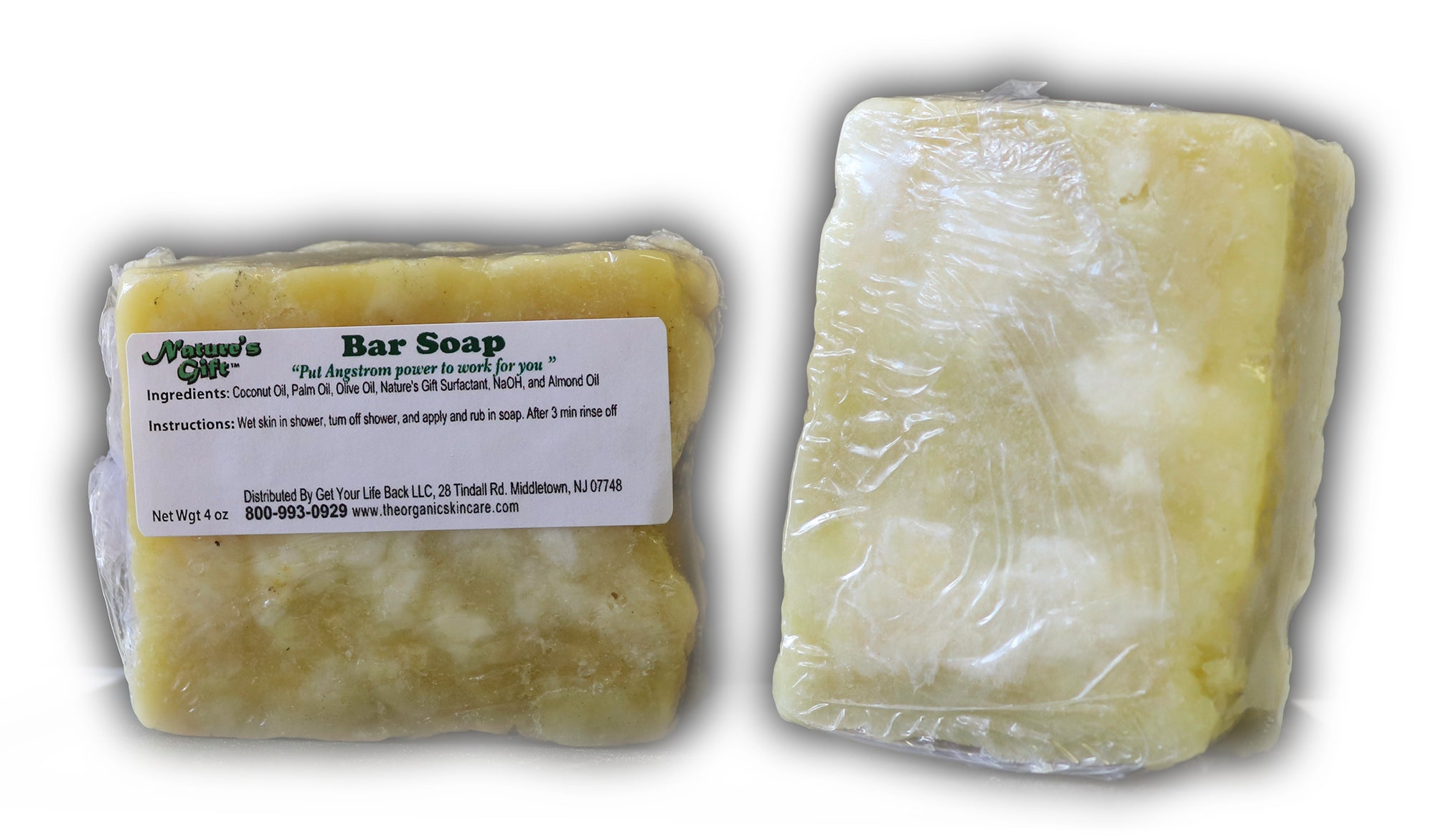
- Cleanse gently with lukewarm water and a mild, unscented soap. Our Nature's Gift Unscented Bar Soap is made without fragrance for reactive skin.
- Pat dry and moisturize within three minutes.
- Reapply moisturizer to dry patches morning and night.
- Cool any flare with a cold compress rather than scratching.
- Review triggers weekly: new products, fabrics, stress, and weather all count.
For a deeper walkthrough of managing flares over the long term, our chronic skin care guide covers triggers, routines, and when to escalate. If itching is your dominant symptom, this step-by-step guide to natural relief for chronic skin itching pairs well with the routine above.
| Step | What to Do | When |
|---|---|---|
| Cleanse | Lukewarm water, unscented soap | Once daily |
| Moisturize | Coconut oil-based lotion on damp skin | Within 3 minutes of washing |
| Cool flares | Cloth-wrapped cold pack, 10-15 min | As needed during flares |
| Review triggers | Log new products, fabrics, stress | Weekly |
| Escalate | See a doctor if red flags appear | Immediately |
Chronic skin irritation rarely resolves with a single remedy, and anyone promising otherwise is selling something. What works is a patient routine: gentle cleansing, consistent barrier care, cooling instead of scratching, and the honesty to see a doctor when symptoms demand it.
Frequently Asked Questions
How can you naturally soothe irritated skin?
Start with cooling: a cool compress or a 10-minute cool bath calms the itch signal. Follow with a fragrance-free moisturizer to seal the skin barrier. Avoid hot water, harsh soaps, and scratching, which worsen chronic skin irritation. If symptoms persist beyond two weeks, see a doctor.
What stops itching fast?
A cold compress applied for 5-10 minutes is the fastest physical method to interrupt itching. For allergic itching, an over-the-counter antihistamine may help. These are short-term fixes; pair them with barrier repair to address the underlying chronic skin irritation.
What herb will stop itching?
Some people use herbs such as chamomile or witch hazel for skin comfort. Always patch-test herbs first, as some can trigger allergic contact dermatitis.
Can a vitamin deficiency cause itchy skin?
Vitamin deficiency is one possible factor in dry or itchy skin, and a clinician can check this with a blood test. Do not self-supplement high doses without medical guidance, as excess vitamins can also cause skin problems.
How can you manage itchy skin at night?
Keep the bedroom cool and humidified. Shower before bed with lukewarm water and apply a thick moisturizer while skin is damp. Wear soft cotton pajamas and keep nails short to reduce damage from scratching. Avoid caffeine and alcohol in the evening. If night itching persists, consult a doctor.
When should persistent skin irritation be checked by a doctor?
See a doctor if irritation lasts more than two weeks, spreads quickly, interferes with sleep, or comes with fever, weight loss, or joint pain. Also seek help if you notice pus, yellow crusting, or red streaks, which suggest infection. Chronic skin irritation that does not respond to home care warrants medical evaluation to rule out underlying conditions.

Compartir esta publicación
- Etiquetas: chronic skin irritation, natural remedies for chronic skin irritation, natural remedies for skin rashes and itching, remedy for itchy skin allergy, remedy for itchy skin at night, what stops itching fast