

How to Safely Remove Debris from a Minor Wound
Publicado por Editorial Team en
Quick Summary
To remove debris from wound tissue safely, first wash your hands and gather clean supplies. Irrigate the wound under cool running water for several minutes, then lift any visible particles out with clean tweezers without digging. Seek medical help if debris stays embedded.
- Wash your hands with soap and water for at least 20 seconds.
- Rinse the wound under cool, running water for several minutes.
- Use clean, sharp-tipped tweezers wiped with alcohol to lift visible debris.
- Do not dig into the wound or pick at it with unclean objects.
- Get medical help if debris is embedded or signs of infection appear.
Table of Contents
- Why Debris in a Minor Wound Needs Attention
- First-Aid Supplies You Need Before You Start
- Step-by-Step: How to Remove Dirt from a Wound
- How to Irrigate a Minor Wound Properly
- Common Mistakes That Trap Debris in the Wound
- Signs of Wound Infection to Watch For (Surgical wounds and preventing infections - Overview)
- When to Seek Medical Care for a Wound
- Keeping the Wound Clean While It Heals
- Frequently Asked Questions
Why Debris in a Minor Wound Needs Attention
Last Updated: November 12, 2026
A small cut or scrape can look harmless, but dirt and skin debris left inside it can slow healing and raise the risk of infection. This guide walks you through how to safely remove debris from a wound, step by step, from the first rinse to the final dressing.
Debris is anything that does not belong in the wound. That includes grit, gravel, fibers, dried blood, and dead skin, and clearing it is the first priority when you need to remove debris from wound tissue safely. When these bits stay put, they can trap bacteria against the wound and irritate the tissue underneath. Once the debris is cleared, the exposed tissue may still feel raw, so gentle steps to calm irritated skin can help support its comfort; Epifany True offers a related perspective.
The good news is that most minor wounds can be cleaned at home with basic supplies. The key is to go slowly, use clean tools, and know when to stop and get help.
- Debris can hold bacteria against healing skin
- Trapped particles can cause irritation and swelling
- Careful cleaning lowers the chance of infection
First-Aid Supplies You Need Before You Start
Gather your supplies before you touch the wound. Having everything within reach keeps the process calm and quick.
- Clean running water or sterile saline
- Mild soap
- Clean, sharp-tipped tweezers, wiped with alcohol
- Clean gauze or a non-stick pad
- Adhesive bandage or sterile dressing
- Disposable gloves
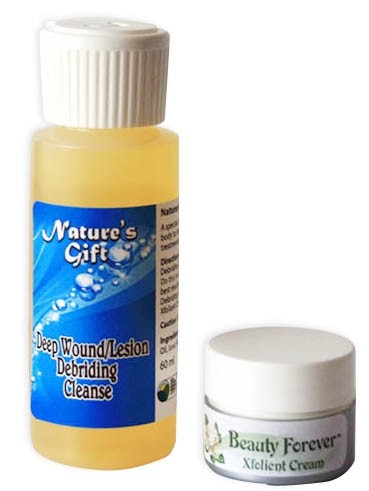
For a wound that needs a deeper cleanse, the Nature's Gift Deep Wound/Lesion Cleanse Kit is designed for deep cleaning of cuts, wounds, and lesions. Read the label before use and follow its directions.
Step-by-Step: How to Remove Dirt from a Wound
Work through these steps in order. Stop if bleeding gets heavier or the pain becomes severe.
Step 1: Wash Your Hands and Prepare the Area
Wash your hands with soap and water for at least 20 seconds. Put on clean gloves if you have them. Lay out your supplies on a clean surface so nothing needs to be reached for mid-process.
Step 2: Irrigate the Wound with Clean Water
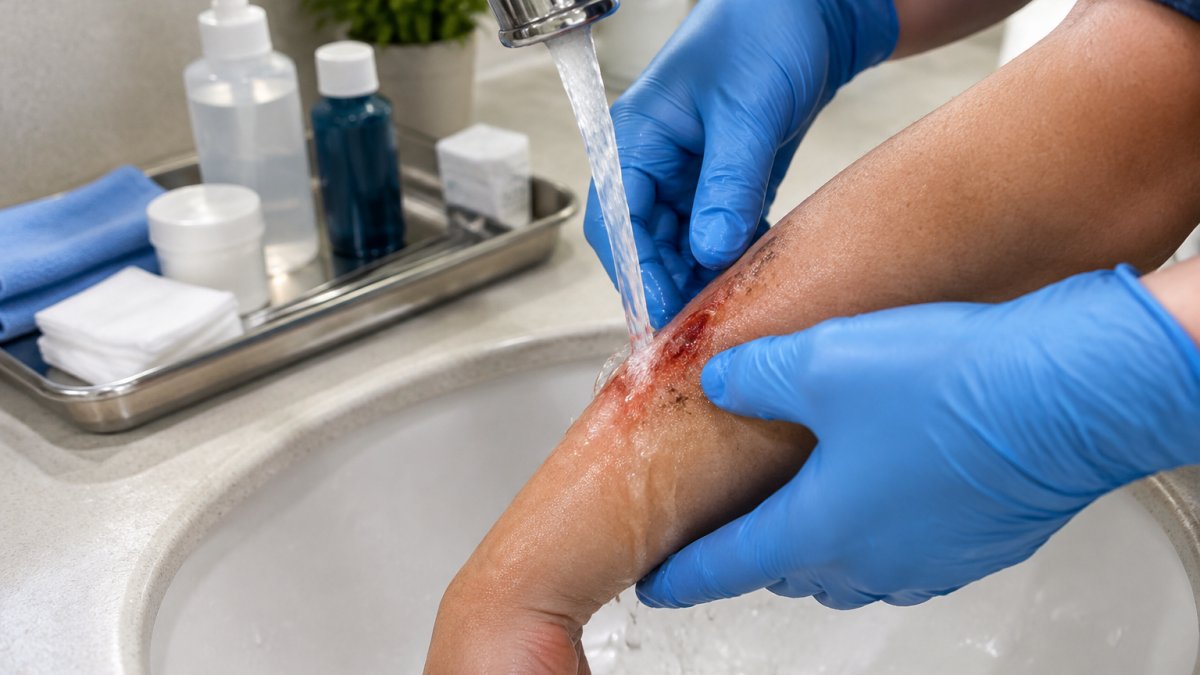
Rinse the wound under cool, running water. This flushes loose dirt out without pushing it deeper (Tissue cleansing and protection). Keep the water flowing for several minutes. Gentle pressure works better than scrubbing.
Step 3: Lift Out Visible Debris with Clean Tweezers
If you can see particles still stuck in the wound, lift them out with clean tweezers. Grip each piece firmly and pull it straight out. Do not dig into the wound. If a particle will not come out easily, leave it and get medical help.
The steps below summarise the removal process in order, with what to do at each stage.
| Step | What to do | Timing |
|---|---|---|
| Step 1: Prepare | Wash hands for at least 20 seconds; put on clean gloves | 20 seconds of handwashing |
| Step 2: Irrigate | Rinse under cool, running water to flush loose dirt | Several minutes |
| Step 3: Lift debris | Remove visible particles with clean tweezers; do not dig | As needed |
How to Irrigate a Minor Wound Properly
Irrigation is the most useful step for removing hidden debris. A steady stream of clean water carries particles out of the wound.
Hold the wound under running water or use a clean syringe filled with saline. Aim the stream into the wound from one side so debris washes away from the body. Repeat until the water runs clear.
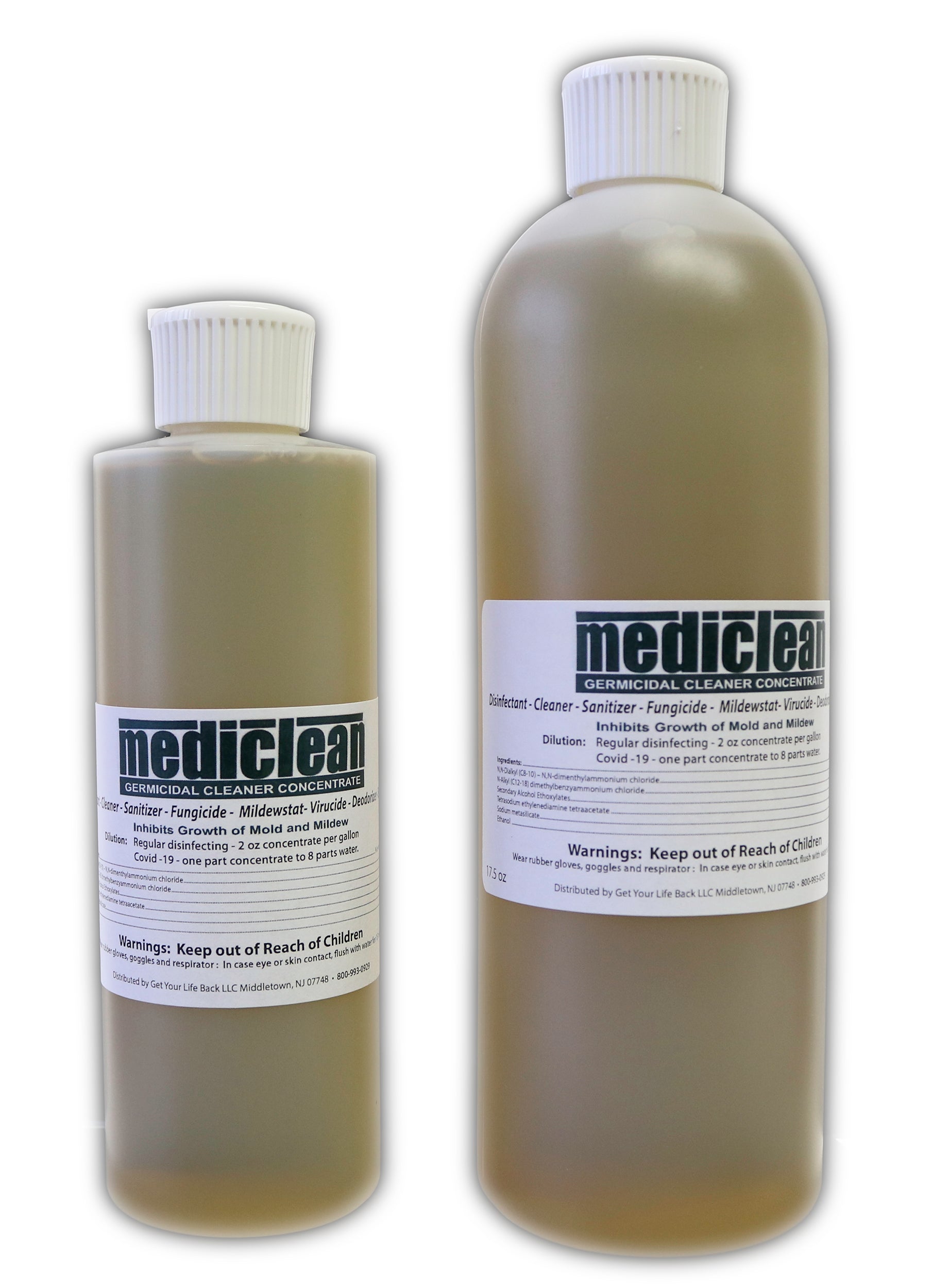
A Mediclean Germicidal Cleaner Concentrate can be used to clean the skin around the wound. Dilute it according to its label and keep it away from the open wound unless the label says otherwise.
Common Mistakes That Trap Debris in the Wound
A common mistake is picking at the wound with fingers or unclean objects. This pushes dirt deeper and adds new bacteria.
Another mistake is using harsh rubbing alcohol or hydrogen peroxide on open tissue. These can slow healing. Gentle cleansing works better for most minor cuts.
Covering a dirty wound too soon also traps debris inside. Clean it first, then cover it.
For more detail on safely removing skin debris, read Effective Ways to Remove Skin Debris Safely.
Signs of Wound Infection to Watch For (Surgical wounds and preventing infections - Overview)
Check the wound each day during healing. Infection can develop even when the first cleaning went well.
- Redness that spreads outward from the wound
- Warmth or swelling around the edges
- Thick, cloudy, or foul-smelling drainage
- Increasing pain instead of gradual improvement
- A fever or feeling generally unwell (Identifying a wound infection)
If you notice any of these signs, contact a healthcare provider promptly.
When to Seek Medical Care for a Wound
Some wounds need professional care, even if they look small. Get medical help if:
- The wound is deep, gaping, or will not stop bleeding after ten minutes of firm pressure
- Debris is embedded and you cannot remove it safely
- The wound came from a bite, an animal, or a dirty object
- You have not had a recent tetanus shot
- You have diabetes, a weakened immune system, or poor circulation
- Signs of infection appear
These symptoms call for urgent care: difficulty moving the area, numbness, or red streaks spreading from the wound.
Keeping the Wound Clean While It Heals
Once the debris is out, keep the wound clean and covered. Change the dressing when it gets wet or dirty. Wash gently with mild soap and water once or twice a day.
Many people find that a gentle debriding soap helps keep the skin around a healing area clean. Look for a product that is mild and that you can rinse off completely.
Keep the wound moist with a thin layer of ointment if your doctor or pharmacist recommends it. Most minor wounds heal well within one to two weeks when they are kept clean and watched closely.
Frequently Asked Questions
How do I get small debris out of a wound?
Start by washing your hands and rinsing the wound under clean, lukewarm running water for several minutes to flush loose particles. If a visible piece remains, use clean tweezers that have been wiped with alcohol to lift it out gently, following the direction it entered. Do not dig into the tissue or squeeze the wound. If the debris is deep, embedded, or you cannot remove it easily, stop and see a healthcare professional rather than forcing it out at home.
Should I use soap or antiseptic to clean a minor wound?
For most minor cuts and scrapes, mild soap and clean running water are effective and are the first step recommended by most first-aid guidance. Avoid harsh antiseptics applied repeatedly, since they can irritate healthy tissue. Use soap to clean the skin around the wound, keep soap out of the open area where possible, and rinse thoroughly.
What should I do if dirt is stuck in a cut or scrape?
Rinse the area with clean water for several minutes and gently lift off surface dirt with a clean cloth. If dirt is still lodged in the wound after thorough irrigation, try removing only what is visible and easy to reach with clean tweezers. Do not scrub the wound, because this can push particles deeper and damage tissue. If dirt remains, the wound is deep, or you are unsure whether tetanus protection is current, contact a healthcare provider.
When should I seek medical care for debris in a wound?
See a doctor if debris cannot be fully removed, if the wound is deep, gaping, or caused by a puncture, animal or human bite, or a dirty object, or if you have not had a tetanus booster in the past several years. Seek care promptly if you notice spreading redness, swelling, warmth, pus, increasing pain, or fever. People with diabetes, weakened immunity, or poor circulation should seek medical advice even for small wounds.

Compartir esta publicación
- Etiquetas: how to irrigate a minor wound, how to remove dirt from a wound, how to safely remove debris from minor wounds, remove debris from wound, signs of wound infection, when to seek medical care for a wound