

Are Natural Cleansers Better Than Harsh Chemical Face Washes?
Publicado por Editorial Team en
Last Updated: October 28, 2026
Quick Summary
The top natural cleansers for replacing harsh chemical face washes include an unscented bar soap, a tea tree oil soap for breakout-prone skin, peppermint and lavender liquid soaps, a rose-scented liquid face and body soap, and a make-up remover for double cleansing. Choose by skin type: cream or oil formats for dry skin, gentle gels for oily skin, and fragrance-free bars for sensitive skin.
- Wash with the unscented bar by turning off the water and rinsing after three minutes.
- People with oily skin often over-wash, so twice daily is usually enough.
- If skin feels tight after washing, switch to a cream or oil format.
- Patch test new products on the inner forearm or jawline for two to three days.
- Use a clean cloth each time and wash it after every use for oil cleansing.
Table of Contents
- Why Harsh Chemical Cleansers Fail Your Skin
- How to Choose a Natural Face Cleanser by Skin Type
- 1. Nature's Gift Unscented Bar Soap: The Fragrance-Free Baseline
- 2. Nature's Gift Tea Tree Oil Soap: For Breakout-Prone Skin
- 3. Nature's Gift Liquid Shower Soap: Peppermint and Lavender Options
- 4. Beauty Forever Liquid Face & Body Soap: A Rose-Scented All-Rounder
- 5. Beauty Forever Make-up Remover: The First Step in Double Cleansing
- The Oil Cleansing Method: Does It Work for Debris Removal?
- Frequently Asked Questions
Why Harsh Chemical Cleansers Fail Your Skin
Most drugstore face washes are built to strip, not to clean. That is the core problem with harsh chemical cleansers, and it explains why so many people with sensitive, dry, or reactive skin feel worse after washing than before.
American Academy of Dermatology guidance on face washing
How to Choose a Natural Face Cleanser by Skin Type
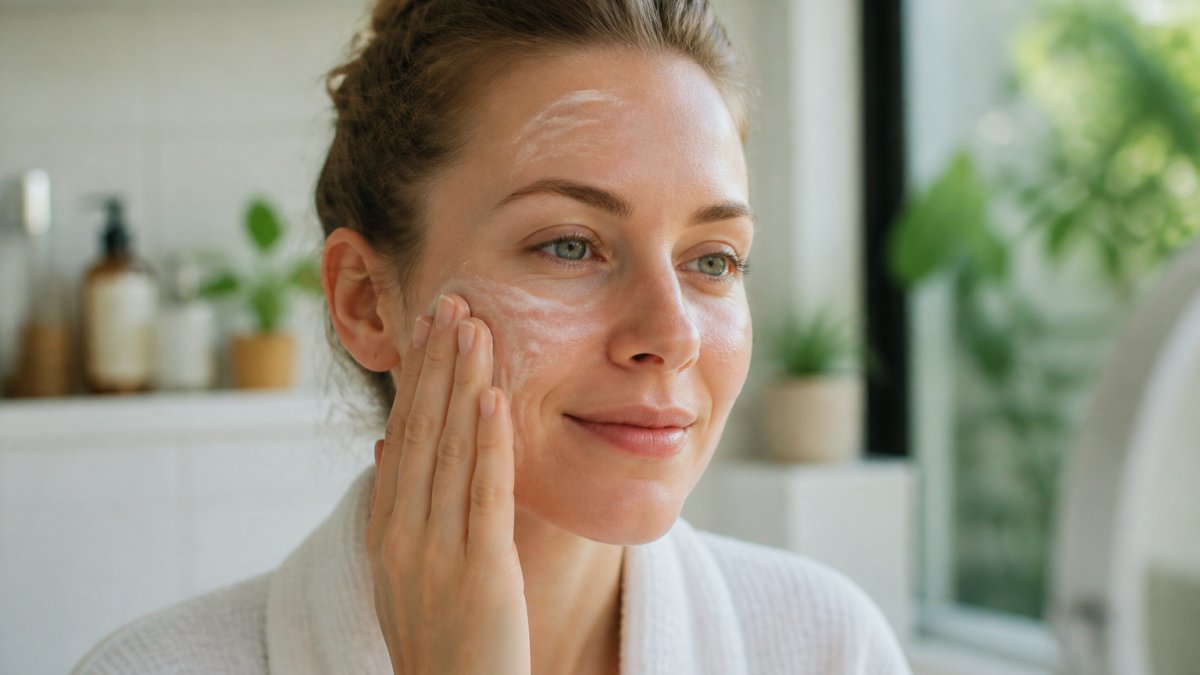
The table below is a starting point, but the notes after it explain the trade-offs that matter more than the label.
| Skin type | Best formats | Cleansing frequency | Key cautions |
|---|---|---|---|
| Oily and acne-prone | Gel, foaming, or tea tree bar | Twice daily | Avoid over-scrubbing; tea tree can irritate |
| Dry | Cream, oil, or unscented bar | Once or twice daily | Skip hot water; avoid foaming surfactants |
| Sensitive | Fragrance-free bar or cream | Once daily, or as needed | Patch test; keep contact time short |
| Combination | Gentle gel (AM), oil or cream (PM) | Twice daily | Don't use the same harsh product on both zones |
| Reactive or compromised | Unscented, minimal-ingredient bar or cream | Once daily until calm | Stop if stinging or redness persists |
Oily and Acne-Prone Skin
Oil production is not the enemy; trapped debris and irritation are. For oily and acne-prone skin, a gentle cleanser used consistently beats a harsh one used aggressively. Look for tea tree, which has a long history of use in blemish-prone routines, and avoid over-scrubbing, which tends to trigger more oil production. A common pattern is that people with oily skin over-wash, which strips the barrier and leads to rebound oiliness, so twice daily is usually enough, and a gentle gel or foaming format removes excess oil without the tight feeling that signals barrier damage.
Dry and Sensitive Skin
Dry and sensitive skin needs lipids, not lather. Cream cleansers and oil-based formulas leave more of the barrier intact, and fragrance-free options reduce the chance of a reaction. Keep water lukewarm and limit cleansing to what your skin actually needs. A practical rule: if your skin feels tight after washing, the cleanser is too strong for daily use, switch to a cream or oil format and cleanse once at night, rinsing with water in the morning.
Combination and Reactive Skin
Combination skin often does best with two approaches: a gentle gel in the morning to manage shine, and an oil or cream at night to remove sunscreen and makeup without stripping. Reactive skin benefits from the shortest ingredient list you can find, no added fragrance, and a patch test on the inner forearm or jawline for two to three days before full-face use. If a product stings, burns, or leaves redness that lasts more than a few minutes, stop using it, natural ingredients can still irritate, and "natural" does not automatically mean gentle.
Format Trade-Offs at a Glance
- Bars: low water content, often fewer preservatives, but can feel drying if the base is high in coconut oil; good for fragrance-sensitive skin when unscented.
- Gels and foaming: best for oily skin, but the foaming agents can strip dry or sensitive skin, check for sulfate-free surfactants if you react.
- Creams: lipid-rich and barrier-friendly, ideal for dry or sensitive skin, but may leave a residue that combination skin dislikes.
- Oils and balms: excellent at dissolving sunscreen and makeup, but require a clean cloth and a second cleanse if you are acne-prone.
American Academy of Dermatology guidance on face washing
1. Nature's Gift Unscented Bar Soap: The Fragrance-Free Baseline
The unscented bar contains saponified safflower, olive, castor, palm, and coconut oils, plus the Nature's Gift concentrate.
Wet your skin in the shower, turn the water off, apply and rub in the soap, then rinse after three minutes.
You can view the unscented bar soap to check the full listing. At $10.95 for a 4.5 oz bar, it is available as an unscented option.

2. Nature's Gift Tea Tree Oil Soap: For Breakout-Prone Skin
Tea tree oil is listed as an ingredient alongside the saponified oils in this bar.
Wet your skin in the shower, turn off the water, apply and rub in the soap, then rinse after three minutes.
See the tea tree oil soap listing for ingredients and sizing. It is $10.95 for 4.5 oz.
Nature's Gift Unscented Bar Soap ( 4.5 oz each ) →

3. Nature's Gift Liquid Shower Soap: Peppermint and Lavender Options
The liquid shower soap is listed in peppermint and lavender versions. The peppermint version lists tea tree and lemon oil; the lavender version lists lavender. Both listings include panthenol and hydrolyzed oats.
Apply to wet skin, lather, and let it sit a few minutes before rinsing. The 9 oz bottle is $18.95, and you can compare the peppermint and lavender liquid soaps on the product page.
4. Beauty Forever Liquid Face & Body Soap: A Rose-Scented All-Rounder
The rose-scented liquid soap is listed as a face and body soap. Its ingredients include panthenol, hydrolyzed oats, and rose oil.
Apply to wet skin, massage in, and let it sit a few minutes before rinsing. At $13.95 for 9 oz, you can see the rose face and body soap for the full ingredient list.

5. Beauty Forever Make-up Remover: The First Step in Double Cleansing
The make-up remover contains distilled water, the Nature's Gift concentrate, and ionic minerals. Apply it to makeup and clean with a damp cloth.
It costs $10.95 for 6 oz, and you can check the make-up remover details before ordering.
The Oil Cleansing Method: Does It Work for Debris Removal?
The caveats matter. Oil cleansing is not ideal for everyone with oily skin, and cloth hygiene is critical: use a clean cloth each time and wash it after every use, or you reintroduce bacteria. If you make a homemade cleanser, sanitize your containers and jars, keep it out of direct heat, and discard anything that smells off. DIY formulas lack preservatives, so they spoil faster than commercial products.
Which Oils Work, and Which to Watch
Not all oils behave the same way. A few common choices and their trade-offs:
- Olive oil: widely used, but heavy and potentially comedogenic for some acne-prone skin; patch test first.
- Jojoba oil: chemically similar to sebum, often well tolerated, and a good choice for combination skin.
- Coconut oil: excellent at removing makeup, but highly comedogenic for many people, avoid if you are acne-prone.
- Sunflower or safflower oil: lighter and often better for oily or sensitive skin.
DIY Hygiene and Storage
Homemade oil cleansers are not automatically safer than commercial products, they can be riskier if you skip basic hygiene. Sanitize jars and bottles before use, store them away from direct heat and sunlight, and make small batches so you use them before they spoil. Never add water to an oil-only blend unless you plan to use it within a few days and keep it refrigerated, because water introduces a growth medium for bacteria and mold. Discard any blend that smells rancid or changes color.
When to Skip DIY
For readers dealing with persistent irritation, DIY is not always the safest route. A formulated, unscented product removes the guesswork around hygiene and storage. If a rash, spreading irritation, or pain develops, stop and speak with a dermatologist rather than self-treating. Oil cleansing can be a useful step, but it is not a treatment for acne or dermatitis, those need a clinician's input.
Frequently Asked Questions
What is the most natural thing to wash your face with?
A bar soap built on saponified plant oils, including olive, safflower, and castor, is one option. The Nature's Gift Unscented Bar Soap listing instructs users to wet skin in the shower, turn off the water, apply and rub in the soap, then rinse after three minutes.
Are natural cleansers suitable for sensitive skin?
The Nature's Gift Unscented Bar Soap listing names saponified safflower oil, olive oil, castor oil, palm oil, coconut oil, sodium hydroxide, water, and Nature's Gift concentrate. Its listing describes it as unscented.
Can oil cleansing remove makeup and sunscreen?
The Beauty Forever Make-up Remover listing instructs users to apply it to makeup and clean with a damp cloth.
Do homemade face wash recipes work for every skin type?
The product listings provide ingredients and use instructions for the listed soaps.
How often should you wash your face with a natural cleanser?
The Nature's Gift bar soap listing instructs users to wet skin in the shower, turn off the water, apply and rub in the soap, then rinse after three minutes.

Compartir esta publicación
- Etiquetas: gentle cleanser for sensitive skin, homemade face wash, natural cleansers, natural face cleanser, oil cleansing method, top 5 natural alternatives to harsh chemical skin cleansers