

Managing Wound Inflammation After Cleaning: A Step-by-Step Guide
Publicado por Editorial Team en
Last Updated: November 24, 2026
Quick Summary
Mild redness, swelling and warmth after cleaning a wound are usually normal healing. To manage wound inflammation, clean gently with saline or mild soap, keep the wound moist and covered, and use cold packs and elevation. Seek medical care if redness spreads, pus appears, or fever develops.
- Swelling and redness usually peak within the first 24 to 48 hours, then steadily improve.
- Clean the wound gently with lukewarm water, saline or mild soap, wiping away from the wound.
- Apply cold packs wrapped in cloth for 10 to 15 minutes; never place ice directly on skin.
- Change the dressing once or twice a day, or whenever it gets wet or dirty.
- Call a doctor if redness spreads, pus appears, or fever goes above 38°C (100.4°F).
Table of Contents
- Why Wounds Swell and Redden After Cleaning
- Step 1: Clean the Wound Gently With Saline or Mild Soap
- Step 2: Keep the Wound Moist, Covered and Protected
- Step 3: How to Reduce Wound Swelling
- Responding to Irritation Caused by Cleaning Products
- Signs of Wound Infection and How Long Inflammation Lasts
- Escalation Timeline: When to See a Doctor Urgently
- Booking Your Next Step: Choosing a Gentle Wound Care Routine
- Frequently Asked Questions
Why Wounds Swell and Redden After Cleaning
Swelling and redness after cleaning a wound are usually part of normal healing, and this kind of wound inflammation is the body's first response to repair. Cleaning removes debris and bacteria, but it also briefly disturbs the surface, so the body responds by sending white blood cells, plasma, and repair proteins to the area.
Knowing what to expect makes it easier to tell normal healing apart from a problem and to act calmly at the right moment.
What inflammation is normal in the first 48 hours
In the first two days, some redness, mild swelling, and warmth around the wound are common. The area may also feel tender or sore. Most people find these signs slowly fade as the wound heals.
Watch for these normal signs in the first 48 hours:
- Mild pink or red skin close to the wound, not spreading outward
- Light swelling that feels firm but not hard, and does not pit when pressed
- Tenderness when you touch or move the area, easing over time
A useful rule of thumb: normal inflammation is at its worst in the first day or two and then steadily improves. If the redness, warmth, or swelling is the same or worse on day three as it was on day one, that is a signal to look closer rather than wait.
Why cleaning can briefly worsen redness
It is common for the wound to look a little redder right after cleaning. Rubbing, rinsing, and dressing changes all cause a small amount of mechanical irritation, and antiseptics such as hydrogen peroxide, alcohol, or iodine can sting and redden the skin. This short-lived flare usually settles within an hour or two. If redness or stinging increases each time you use a particular product, that product, not the wound, is the likely cause, and switching to saline or plain lukewarm water is the first step.
How the inflammation should change over time
Normal inflammation follows a predictable arc. In the first 24 to 48 hours, redness and swelling are at their peak. Over the next three to five days, the swelling should go down, the redness should shrink toward the wound edge, and the tenderness should ease.
Signs that suggest a problem include spreading redness, pus, a bad smell, or increasing pain. These are covered later in this guide.
Step 1: Clean the Wound Gently With Saline or Mild Soap
Clean the wound gently to remove dirt and debris without irritating the skin. Use lukewarm tap water, saline, or a mild, fragrance-free soap. Avoid harsh scrubbing, which can open the wound again.
The Nature's Gift Deep Wound/Lesion Cleanse Kit is made for deep cleaning of cuts, wounds, and lesions, and its product listing includes directions for use. Read more about the Nature's Gift Deep Wound/Lesion Cleanse Kit before you start.
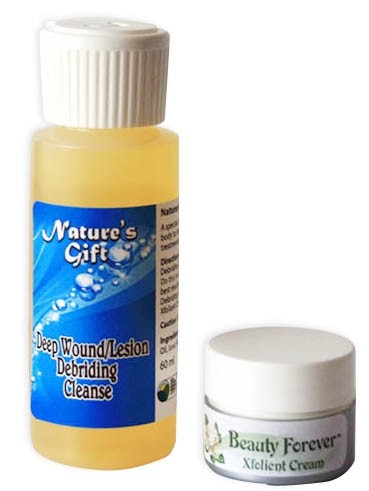
Follow these steps to clean the wound:
- Wash your hands with soap and water first.
- Rinse the wound under lukewarm running water or with saline.
- Use a clean cloth or gauze to remove loose debris. Wipe away from the wound, not across it.
- Pat the area dry with a clean towel or sterile gauze.
If you need help removing debris from a small injury, this guide on removing debris from a minor wound explains safe methods. For broader skin cleaning, this guide on deep cleaning skin naturally covers gentle options.
The steps below summarise how to clean the wound gently and what to do at each stage.
| Step | What to do | Time or frequency |
|---|---|---|
| Wash hands | Wash with soap and water first | Before cleaning |
| Rinse | Use lukewarm running water or saline | Before cleaning |
| Remove debris | Wipe away from the wound with clean cloth or gauze | Gentle, not scrubbing |
| Pat dry | Use clean towel or sterile gauze | After cleaning |
Step 2: Keep the Wound Moist, Covered and Protected
Once the wound is clean, keep it moist and covered, since a moist environment helps limit wound inflammation and supports healing.
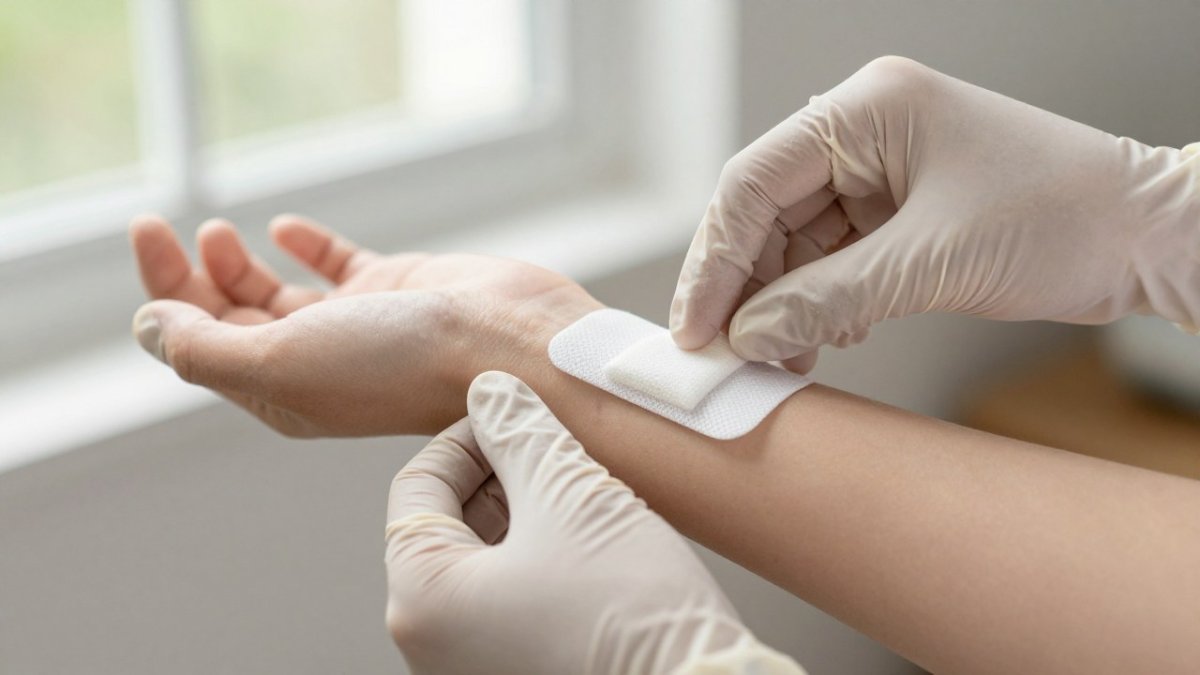
Here is how to protect the wound:
- Apply a thin layer of a plain, approved wound ointment if your doctor recommends it.
- Cover the wound with a sterile, non-stick dressing.
- Change the dressing once or twice a day, or whenever it gets wet or dirty.
Step 3: How to Reduce Wound Swelling
Swelling usually peaks in the first two days and then goes down. You can help it settle with a few simple steps.
Cold, elevation and over-the-counter pain relief
Use these methods to ease swelling and discomfort:
- Cold packs: Wrap a cold pack in a thin cloth and hold it on the area for 10 to 15 minutes at a time. Never place ice directly on the skin (Ice and heat treatment).
- Elevation: Raise the injured limb above heart level when you can, especially when resting.
- Pain relief: Follow the label of any over-the-counter pain reliever and ask a pharmacist or doctor if you take other medicines.
Do not use cold packs on numb skin or for long periods, as this can damage the tissue (Ice and heat treatment).
Responding to Irritation Caused by Cleaning Products
Some cleaning products can irritate healing skin. Stinging, burning, itching, or a rash after using a product may mean it does not agree with your skin.
If irritation starts, follow these steps:
- Rinse the area thoroughly with plain water or saline.
- Stop using the product that caused the reaction.
- Pat the skin dry and cover it with a clean, non-stick dressing.
- Check the area again after a few hours.
If you have sensitive skin, choose gentle options and test a small area first. This guide to natural soaps for eczema relief reviews gentle bars and liquids and lists ingredients to avoid. If irritation keeps coming back, this explanation of chronic skin inflammation describes what drives persistent flare-ups.
Signs of Wound Infection and How Long Inflammation Lasts
Mild inflammation should improve over several days. Inflammation that lasts much longer, or gets worse, can be a sign of infection. The key is to separate symptoms you can monitor at home from symptoms that need prompt or emergency care, and to know roughly when each change should happen.
Watch for these signs of infection:
- Redness that spreads outward from the wound edge
- Warmth or heat around the area that increases rather than fades
- Yellow, green, or cloudy discharge, especially if it thickens
How long normal inflammation lasts
Most mild swelling and redness fade within a few days to a week. A common pattern is peak swelling at 24 to 48 hours, noticeable improvement by day three to five, and near-normal surrounding skin by the end of the first week for a minor cut. Larger wounds, surgical incisions, and burns can take longer, and some firmness can persist for two to three weeks as scar tissue forms.
A step-by-step response to irritation from cleaning products
Some cleaning products can irritate healing skin, and the reaction can look like infection at first. Stinging, burning, itching, or a rash immediately after using a product points more toward irritation, while spreading redness, pus, and fever point more toward infection. If irritation starts, follow these steps:
- Rinse the area thoroughly with plain water or saline to remove residue.
- Stop using the product that caused the reaction.
- Pat the skin dry and cover it with a clean, non-stick dressing.
- Check the area again after a few hours; irritation should begin to settle once the product is removed.
Watch out: if the redness continues to spread or you develop fever or pus after stopping the product, treat it as a possible infection rather than simple irritation and seek medical advice. If you have sensitive skin, choose gentle options and test a small area first. This guide to natural soaps for eczema relief reviews gentle bars and liquids and lists ingredients to avoid.
Escalation timeline: when to see a doctor urgently
Use this timeline to decide when to get help:
- Within the first 48 hours: Mild redness, swelling, and tenderness are usually normal. Call a doctor if swelling or pain is severe, or if redness is already spreading.
- Days 3 to 5: Swelling should be going down and tenderness should be easing. Call a doctor if redness spreads, you see pus, or the wound feels hotter than before.
- After one week: The wound should be closing. See a doctor if it has not improved or if symptoms are getting worse.
Seek urgent medical care right away if you notice any of these: (the NHS)
- Fever above 38°C (100.4°F)
- Red streaks spreading from the wound
- Numbness, severe pain, or loss of movement near the wound
Wound type and patient risk change the threshold
The same redness means different things depending on the wound and the person. Minor cuts in healthy adults usually settle on their own, but surgical incisions, burns, and chronic wounds such as diabetic foot ulcers carry a higher infection risk and deserve earlier review. Diabetes, immune suppression, poor circulation, and older age all slow healing and lower the threshold for seeking care.
Trust your instincts. If you are worried, call a doctor or a nurse line.
Escalation Timeline: When to See a Doctor Urgently
Use this timeline to decide when to get help:
- Within the first 48 hours: Mild redness, swelling, and tenderness are usually normal. Call a doctor if swelling or pain is severe.
- Days 3 to 5: Swelling should be going down. Call a doctor if redness spreads or you see pus.
- After one week: The wound should be closing. See a doctor if it has not improved or if symptoms are getting worse.
Seek urgent medical care right away if you notice any of these:
- Fever above 38°C (100.4°F)
- Red streaks spreading from the wound
- Numbness, severe pain, or loss of movement near the wound
Trust your instincts. If you are worried, call a doctor or a nurse line.
Booking Your Next Step: Choosing a Gentle Wound Care Routine
A gentle routine helps most wounds heal well. Clean the area with saline or mild soap, keep it moist and covered, and manage swelling with cold packs and rest. Watch closely for signs of infection, and get medical help when the timeline above says to.
Start with a gentle cleanse and read the full product directions before you begin, then keep an eye on how the area changes over the next few days.
Frequently Asked Questions
Is it normal for a wound to look red or swollen after cleaning?
Yes, mild redness, slight swelling and warmth around a wound in the first two to three days are part of normal healing. This inflammation is the body sending blood flow and immune cells to the injured area. It should gradually settle rather than grow. If redness spreads outward, swelling increases after day three, or the area becomes hot, throbbing or painful, the wound needs to be checked by a clinician. Keep the wound clean, covered and monitored, and note how the area changes from day to day so you can describe the trend accurately to a healthcare provider.
How can I reduce swelling around a wound after cleaning it?
Elevate the injured limb above heart level when you can, apply a cold pack wrapped in a cloth for 10 to 15 minutes at a time, and avoid tight clothing or bandages that restrict circulation. Keep the dressing clean and change it as directed. Many people use over-the-counter pain relief to ease discomfort, but check the label and speak to a pharmacist first, especially if you take other medicines or have a condition affecting bleeding, the kidneys or the stomach. Avoid rubbing or squeezing the area.
What are the signs that a wound is infected?
Watch for increasing redness that spreads beyond the edges, swelling that worsens after the first few days, warmth, throbbing pain, pus or cloudy discharge, a foul smell, red streaks moving away from the wound, or a fever. Any of these signs suggests infection and needs prompt medical assessment. Do not wait for every sign to appear before seeking help, particularly if the wound is deep, dirty, a bite, or in someone with diabetes or a weakened immune system.
When should I see a doctor for an inflamed wound?
See a doctor the same day if the wound shows signs of infection, if redness or swelling is spreading rapidly, if you develop a fever or feel unwell, or if the wound was caused by an animal or human bite, a puncture, or a dirty object. Seek urgent care if you notice red streaks, numbness, severe pain out of proportion to the injury, or if the wound opens or bleeds heavily. Keep a note of changes so you can explain the progression clearly.

Compartir esta publicación
- Etiquetas: how long wound inflammation lasts, how to manage inflammation after wound cleaning, how to reduce wound swelling, open wound treatment at home, signs of wound infection, wound inflammation