

Natural Remedies for Lyme Disease Skin Symptoms
Publicado por Editorial Team en
Table of Contents
- Understanding Lyme Disease Skin Symptoms
- Tick Bite Rash vs Lyme Disease Rash: Key Differences
- Herbal and Botanical Approaches to Lyme Disease Skin Relief
- Lyme Disease Rash Treatment: Natural Options and Topical Care
- Lyme Disease Rash Home Care: Daily Management Strategies
- When to See a Doctor for a Lyme Disease Rash
- Combining Natural Remedies with Conventional Treatment
- Frequently Asked Questions
Last Updated: October 9, 2026
Understanding Lyme Disease Skin Symptoms
The most recognizable sign of Lyme disease is the bull's-eye rash, erythema migrans, appearing in roughly 70-80% of infected individuals.
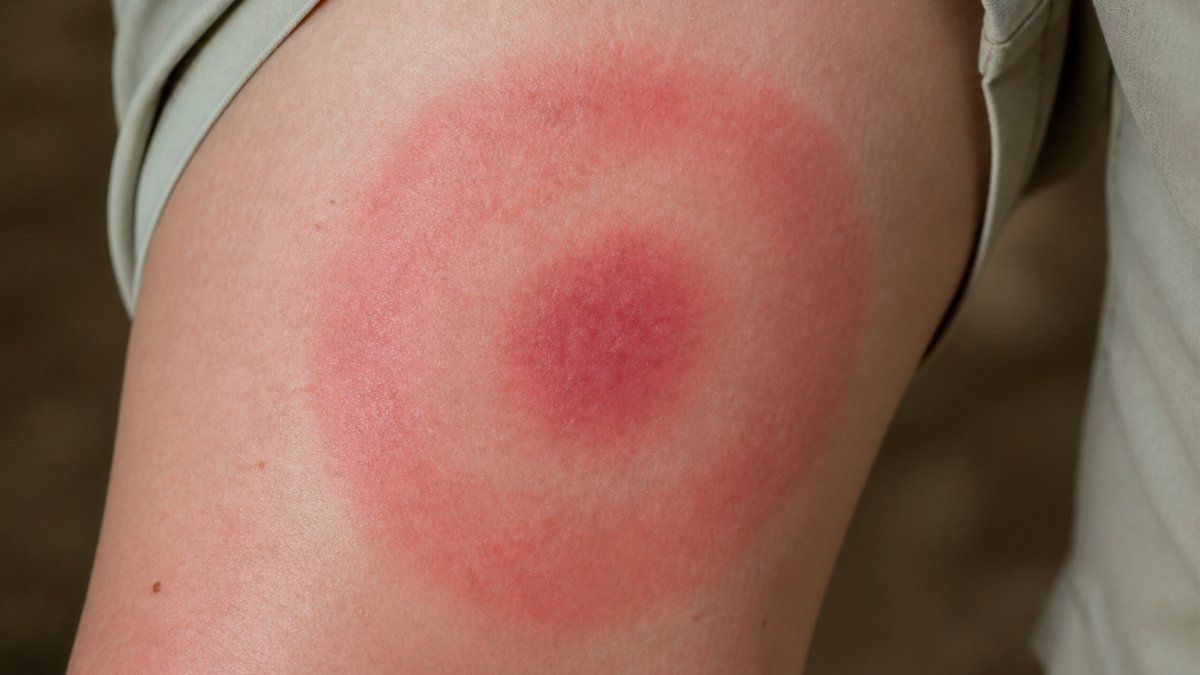
Borrelia burgdorferi, transmitted through infected tick bites, triggers an immune response that manifests across the skin in multiple ways.
Recognizing the bull's-eye rash and other skin manifestations
The bull's-eye rash is the hallmark presentation, but lyme disease skin symptoms vary significantly. The rash may begin as a simple red macule that expands, sometimes reaching 12 inches or more in diameter.
Beyond erythema migrans, Lyme disease can cause:
- Acrodermatitis chronica atrophicans: thin, shiny skin typically on extremities
- Lymphocytoma: bluish-red nodules, often on ears or nipples
- Diffuse erythema without central clearing
Many patients report that lyme disease skin symptoms itch or burn, though some feel no discomfort at all, making diagnosis challenging without testing and clinical correlation.
How Borrelia burgdorferi affects the skin
Borrelia burgdorferi doesn't simply cause localized inflammation at the bite site; it spreads through tissue and disseminates hematogenously, triggering a complex immune response.
The bacteria's outer surface lipoproteins stimulate toll-like receptors on immune cells, perpetuating inflammation even as the body tries to clear the infection. This explains why some individuals experience persistent skin symptoms long after initial infection, even with antibiotics.
Tick Bite Rash vs Lyme Disease Rash: Key Differences
Not every rash following a tick bite indicates Lyme disease.
The bull's-eye pattern is the most specific indicator of lyme disease skin symptoms.
Size matters too. A simple allergic reaction rarely exceeds 2-3 inches in diameter, while erythema migrans typically grows to at least 5 inches.
Systemic symptoms accompany true Lyme disease rash: fatigue, joint aches, or fever alongside the expanding rash.
Herbal and Botanical Approaches to Lyme Disease Skin Relief
Many people seek herbal remedies for skin support during Lyme disease, viewing botanicals as gentler complements to conventional treatment. Evidence for their effectiveness against Borrelia burgdorferi remains limited to laboratory studies. Herbal approaches to lyme disease skin symptoms may help manage inflammation and support immune function, but work best alongside professional medical evaluation.
Japanese knotweed, cat's claw, and cryptolepis
Japanese knotweed contains resveratrol and emodin, compounds showing antimicrobial activity in laboratory settings. Some practitioners recommend it in herbal Lyme protocols, though human clinical evidence remains scarce.
Cat's claw (Uncaria tomentosa) has been investigated for immune-modulating effects and appears in some herbal Lyme protocols.
Cryptolepis, a West African plant, shows in-vitro activity against Borrelia burgdorferi. Some alternative practitioners include it in herbal Lyme protocols for addressing the infection itself.
Anti-inflammatory and antimicrobial plant extracts
Beyond specific herbs, many plant extracts possess anti-inflammatory properties that might support skin health during Lyme disease. Andrographis contains andrographolide, which shows anti-inflammatory effects in some studies.
These botanical approaches to lyme disease skin symptoms focus on reducing inflammation and supporting immune function rather than eliminating the infection. Many practitioners recommend combining them with dietary and lifestyle adjustments.
Lyme Disease Rash Treatment: Natural Options and Topical Care
Managing lyme disease skin symptoms topically can reduce discomfort while systemic treatment addresses the underlying infection. Natural topical remedies offer anti-inflammatory and soothing properties that complement medical care. At Get Your Life Back LLC, we understand that skin symptoms often persist or recur, which is why we've developed targeted topical solutions designed to cleanse and support skin function at the cellular level.
Topical remedies and skin irritation considerations
Aloe vera provides immediate cooling relief and contains polysaccharides with potential anti-inflammatory properties.
Witch hazel acts as an astringent and mild antimicrobial.
Tea tree oil shows antimicrobial properties in laboratory conditions but must always be diluted before skin application.
When using any topical remedy, watch for allergic reaction signs: increased redness, swelling, burning, or rash spreading beyond the original area.
MSM, aloe vera, and debriding approaches for skin debris
Methylsulfonylmethane (MSM) is an organic sulfur compound some practitioners recommend for skin health and inflammation. Nature's Gift Super MSM Gel incorporates MSM at the highest purity alongside diatomaceous earth and our proprietary debriding soap concentrate, designed to address stubborn skin debris and support deep cleansing at the cellular level.

"Debriding" skin, removing accumulated debris, dead cells, and irritants from pores, addresses a common issue in persistent Lyme disease skin symptoms. Our Nature's Gift Skin Lotion combines coconut oil, shea butter, and jojoba oil with our proprietary bioform carbon technology to hydrate while gently removing debris.
Applying these products with gentle massage improves absorption. Layer applications in one-minute intervals, letting each dry slightly before reapplying, to maximize the deep-cleaning effect while minimizing irritation.
Lyme Disease Rash Home Care: Daily Management Strategies
Home care routines support skin health during Lyme disease treatment and help prevent secondary infections. Consistent daily practices reduce inflammation, minimize irritation, and create an environment where skin can heal.
Soft Cover: How To Get Your Life Back From Morgellons, Lyme, and Other Skin →
Bathing techniques and environmental disinfection
Lukewarm water is preferable to hot, which can exacerbate inflammation and itching. Bathe affected areas gently with mild, fragrance-free cleansers; scrubbing worsens inflammation and increases infection risk.
Pat skin dry gently rather than rubbing, since trapped moisture lets secondary bacterial infections flourish. Dry completely before applying topical remedies.
Environmental disinfection prevents tick-borne re-exposure. Wash bedding, towels, and clothing that contact the rash in hot water, disinfect bathroom surfaces where skin care products are applied, and inspect bedding, upholstered furniture, and pet resting areas for ticks.
Dietary support and immune-system strengthening
Diet influences inflammatory status and immune function during Lyme disease.
Zinc plays a critical role in immune cell function and wound healing; include oysters, beef, pumpkin seeds, and chickpeas.
Reduce inflammatory foods: processed oils, refined carbohydrates, and excess sugar can amplify inflammation, and many people with Lyme disease find eliminating them reduces skin symptom severity. Adequate hydration supports skin function and helps eliminate inflammatory mediators.
When to See a Doctor for a Lyme Disease Rash
Recognizing when home care and natural remedies are insufficient prevents serious complications. Seek medical evaluation promptly when lyme disease skin symptoms first appear or change despite home treatment.
Red flags and evidence-based medical treatment
Seek medical care immediately if the rash expands rapidly, covers large areas, or appears in multiple locations, signs of disseminated infection requiring prompt antibiotics.
Erythema migrans alone is sufficient for Lyme disease diagnosis in endemic areas; you need not wait for positive lab results.
Evidence supporting early antibiotic treatment is substantial. Delaying treatment to pursue herbal remedies alone increases the risk of chronic manifestations; natural remedies work best as adjuncts to, not replacements for, medical care.
Co-infections and persistent symptoms requiring professional care
Ticks often carry multiple pathogens, so an infected bite may transmit Borrelia burgdorferi alongside Babesia, Bartonella, or other co-infections that cause additional skin symptoms and complicate treatment. Professional testing can identify them.
Persistent lyme disease skin symptoms lasting weeks or months after appropriate antibiotics warrant further evaluation. Post-treatment Lyme disease syndrome causes ongoing fatigue, pain, and skin symptoms, while other tick-borne infections, autoimmune diseases, or dermatological conditions may mimic Lyme disease rash.
Combining Natural Remedies with Conventional Treatment
The most effective approach to lyme disease skin symptoms integrates professional medical care with supportive natural remedies, addressing both the infection and the inflammatory skin response.
Herb-drug interactions and safety considerations
Many herbal remedies interact with Lyme antibiotics. St. John's Wort reduces the effectiveness of many antibiotics, and certain herbs increase photosensitivity, problematic with doxycycline, which itself increases sun sensitivity.
Some herbs thin the blood or affect clotting, which matters if you take anticoagulants or have bleeding disorders.
Herbal product quality and purity vary widely; contamination, mislabeling, and inconsistent potency are common.
Working with healthcare providers on integrative approaches
The best outcomes occur when you work transparently with your healthcare provider, describing all supplements, herbal remedies, and home care practices.
Some providers specialize in integrative medicine with training in conventional and botanical approaches.
Your doctor can monitor progress and adjust treatment if symptoms persist or worsen, minimizing risks from herb-drug interactions or delayed treatment of serious complications.
Lyme disease skin symptoms demand a balanced approach that respects both the infection's seriousness and the body's capacity to heal with proper support. Get Your Life Back LLC has developed specialized formulations like our Nature's Gift Skin Lotion and MSM Gel specifically for individuals managing persistent skin conditions.
Frequently Asked Questions
What does a Lyme disease rash look like?
The classic Lyme disease rash, called erythema migrans, often appears as a bull's-eye pattern with a red center surrounded by a clear ring and another red ring. However, not all Lyme rashes follow this pattern. Some appear as a solid red patch without rings. The rash typically develops 3 to 30 days after a tick bite and can expand to several inches across. Multiple rashes may appear if the infection has spread. Rashes can occur anywhere on the body, though they're common at the bite site or in skin folds.
Can natural remedies help Lyme disease skin symptoms?
Natural remedies may help manage skin symptoms and support overall immune function, but they are not proven replacements for antibiotics in treating active Lyme disease. Herbal approaches like Japanese knotweed, cat's claw, and cryptolepis have shown antimicrobial activity in laboratory studies, but clinical evidence in humans is limited. Topical remedies such as aloe vera, MSM gels, and plant-based debriding products can reduce inflammation and support skin healing. Natural approaches work best alongside medical treatment, not instead of it, especially for active infections.
When should I seek medical care for a Lyme disease rash?
Seek immediate medical attention if you notice a rash after a tick bite, especially if it expands, is accompanied by fever, joint pain, or fatigue. Early antibiotic treatment is crucial for preventing complications like arthritis, neurological symptoms, and cardiac issues. Do not delay seeking care to try natural remedies alone. If you have a rash and suspect Lyme disease, a healthcare provider can confirm diagnosis through clinical evaluation and blood tests. This is particularly important if you have multiple rashes, persistent symptoms, or signs of co-infections such as Bartonella or Babesia.
How should I care for a Lyme disease rash at home?
While awaiting or alongside medical treatment, keep the affected skin clean and dry, bathe regularly with gentle cleansing products, and avoid scratching to prevent secondary infection. Apply soothing topical treatments containing aloe vera, MSM, or other anti-inflammatory botanicals to reduce itching and inflammation. Wear clean, loose clothing to minimize irritation. Monitor the rash for changes in size, color, or spread, and photograph it for your healthcare provider. Disinfect personal items like towels and bedding regularly. Manage stress and support your immune system through adequate sleep, hydration, and nutrition, but do not delay professional medical evaluation.
What is the difference between a tick bite rash and a Lyme disease rash?
A simple tick bite causes localized redness and itching at the bite site but does not typically expand or develop rings. A Lyme disease rash (erythema migrans) expands outward from the bite site, often reaching several inches across, and may develop the characteristic bull's-eye pattern with concentric rings. Lyme rashes usually appear 3 to 30 days after the bite and may be accompanied by flu-like symptoms such as fever, fatigue, and joint pain. Not all tick bites result in Lyme disease, and not all Lyme infections produce a visible rash. If a rash expands or you develop systemic symptoms, seek medical evaluation to rule out Lyme disease.
Can Lyme disease cause skin symptoms other than a rash?
Yes. Beyond the initial erythema migrans rash, Lyme disease can cause secondary skin manifestations including acrodermatitis (a chronic skin condition affecting hands and feet), nodules, and skin lesions. Some people experience persistent itching, burning sensations, or skin sensitivity even after the rash resolves. Co-infections acquired alongside Lyme disease, such as Bartonella or Babesia, can also trigger skin symptoms. Chronic or persistent Lyme disease may involve ongoing skin irritation and inflammation. If you develop new or worsening skin symptoms weeks or months after a tick bite, consult a healthcare provider to assess whether Lyme disease or related conditions are responsible.
Are there any herb-drug interactions I should know about when treating Lyme disease?
Yes. Many herbal remedies used for Lyme disease, including cat's claw, cryptolepis, and Japanese knotweed, may interact with antibiotics or other medications. Some herbs can thin the blood, increase sun sensitivity, or affect liver function. If you are taking prescription antibiotics for Lyme disease, inform your healthcare provider before using herbal supplements. Certain herbs may reduce antibiotic effectiveness or increase side effects. Always consult with your doctor or a qualified herbalist before combining natural remedies with conventional treatment. This is especially important if you have other health conditions, take multiple medications, or are pregnant or nursing.
Compartir esta publicación
- Etiquetas: lyme disease rash home care, lyme disease rash treatment, lyme disease skin symptoms, natural remedies for lyme disease skin symptoms, tick bite rash vs lyme disease rash, when to see a doctor for a lyme disease rash